Gone Without Warning: The Hidden Forces Deciding Which Strains Make It to Your Dispensary Shelf
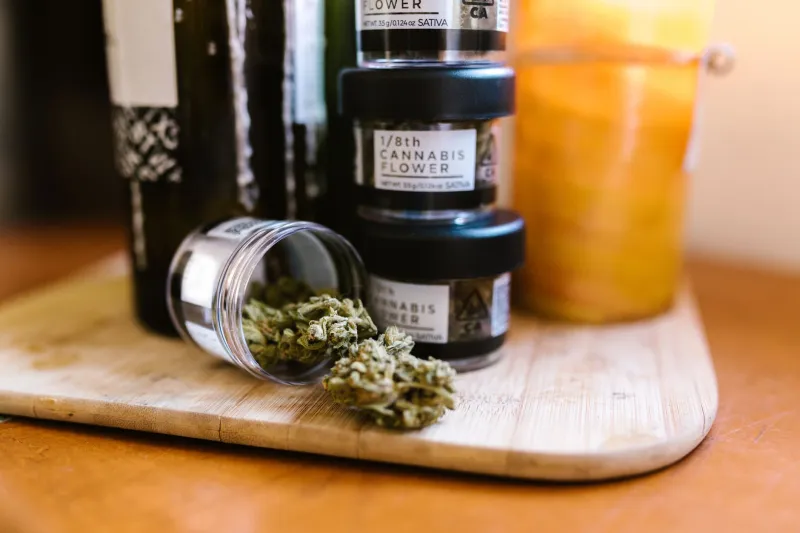
You had a routine. Walk in, nod at the budtender, ask for your usual — maybe it was a particular Zkittlez cut from a small-batch grower, or that funky Papaya you'd been loyal to for the better part of a year. Then one day it was just... gone. No warning. No explanation. Just a shrug and a suggestion to try something new.
This isn't bad luck. It's the cannabis supply chain doing what it does — and what it does is increasingly prioritize margins over variety, volume over craft, and corporate efficiency over the consumer's actual preferences. If you've ever wondered why your favorite strain quietly vanished, buckle up, because the answer involves grower consolidation, licensing economics, distributor relationships, and the slow, grinding influence of big money reshaping legal weed from the inside out.
The Shelf Space Problem Nobody Talks About
Dispensary shelves look abundant. Jars everywhere, menus longer than a Cheesecake Factory. But talk to anyone who works behind that counter and they'll tell you the truth: what you're seeing is often a curated illusion.
"We carry maybe 60 to 80 SKUs on a good week," says one budtender at a multi-location dispensary in Colorado who asked to remain anonymous. "But we're getting pitched by 20 vendors a month. The stuff that makes the cut isn't always the best weed. It's the weed that comes with the best deal for the house."
That deal usually involves volume pricing, co-marketing agreements, or in some cases, exclusive arrangements that quietly crowd out smaller growers. Dispensaries — especially the growing number of multi-state operators (MSOs) — are running a business, not a museum of cannabis biodiversity. And when business decisions drive inventory, consumer favorites become casualties.
When Small Growers Get Squeezed Out
Here's where the story gets complicated. A lot of the strains that develop cult followings — the weird, funky, highly specific cultivars that experienced consumers swear by — come from small and mid-size cultivators who operate on thin margins. They can't produce at the scale that a 50,000-square-foot commercial grow can. They can't offer the payment terms. They can't afford the kind of sales reps who schmooze buyers at industry events.
So when a dispensary has to choose between a local craft grower offering 10 pounds of limited-batch Biscotti and a regional distributor offering 200 pounds of mid-tier flower at a 30% lower wholesale price point, the math often wins. The craft stuff sells out fast — which sounds like a win — but the reorder never comes because the volume just isn't there to justify the relationship long-term.
"I've watched growers who were doing really innovative work just exit the market," says a cannabis industry analyst based in California who works with both retail operators and cultivators. "Licensing costs go up, compliance gets more expensive, and they can't compete on price with the big guys. The strains they developed just disappear with them."
This is grower consolidation happening in slow motion, and it's accelerating in mature markets like California, Colorado, and Oregon — states where the initial gold rush has given way to brutal margin compression.
Corporate Buyouts and the Homogenization of the Menu
The consolidation story doesn't stop at the farm level. Dispensary chains themselves are getting swallowed up. When a beloved local shop gets acquired by an MSO, the menu often changes within months. Regional brands that had strong shelf placement suddenly get deprioritized in favor of house brands or preferred vendor networks that the parent company has deals with across multiple states.
Consumers notice. "We had this amazing local cultivator whose Sunset Sherbet was unlike anything else," says a longtime cannabis consumer in Michigan. "The dispensary I went to got bought out by a bigger company, and within six months that brand was gone. The replacement was fine, I guess. Just... corporate."
This is the cannabis version of what happened to craft beer when big beverage companies started acquiring regional breweries. The label stays. The vibe changes. The thing that made it special gets optimized away.
What Actually Drives the Drop: A Quick Breakdown
If your favorite strain went missing, here are the most likely culprits:
Supply chain disruptions. A bad harvest, a pest problem, or a compliance issue at the grow level can wipe out availability overnight. Cannabis plants are temperamental, and even established cultivators hit rough patches.
License lapses or regulatory issues. In heavily regulated markets, a grower who falls out of compliance — even temporarily — can lose their distribution authorization. Their products disappear from shelves until they're back in good standing, if they come back at all.
Buyer turnover at the dispensary. The person who championed your favorite strain may have left. Their replacement has different relationships, different preferences, and a whole new set of vendor pitches landing in their inbox.
Seasonal cultivation cycles. Some craft growers only produce certain strains during specific grow cycles. When the batch is gone, it's gone until the next run — if there is one.
Margin decisions. Sometimes the strain just wasn't profitable enough to justify the shelf space. Brutal, but true.
Is Strain Diversity Actually at Risk?
Depending on who you ask, the answer ranges from "we're fine" to "it's already too late."
Optimists point to the explosion of new genetics entering the market — breeders are constantly releasing new cultivars, and the sheer number of named strains has never been higher. The diversity is there, they argue; it's just constantly rotating.
Skeptics push back hard on that framing. "Having 500 strain names doesn't mean you have 500 distinct genetic profiles," the industry analyst notes. "A lot of what's out there is the same handful of popular genetics renamed and rebranded. True diversity — the kind that comes from small, independent breeders working with heritage genetics — that's actually shrinking."
The concern is that as corporate money continues to flow into legal cannabis, the market will increasingly resemble any other consumer packaged goods category: a few dominant brands, predictable SKUs, and very little room for the outliers that make the culture interesting.
What You Can Actually Do About It
You're not powerless here. A few things worth doing:
Ask your budtender where the product comes from. If a dispensary knows that customers are paying attention to sourcing, they're more likely to prioritize relationships with quality growers.
Support shops that feature local and craft cultivators. Your dollars are a vote. Dispensaries that see craft products moving off shelves will stock more of them.
Tell them when something disappears. Dispensary buyers do track customer feedback. If enough people ask for a specific brand or strain, it can influence reorder decisions.
Follow the growers directly. Many small cultivators are active on social media and will tell you which dispensaries carry their product. That's how you stay ahead of the supply chain chaos.
The forces reshaping what ends up on dispensary shelves are real, and they're not going anywhere. But the more consumers understand how this system works, the better equipped they are to navigate it — and to push back when the market tries to serve them corporate sameness instead of the good stuff.
Your strain didn't disappear because nobody wanted it. It disappeared because the business of weed is still figuring out how to value the things that make weed worth caring about.