Same Name, Totally Different High: The Wild West of Cannabis Strain Identity
Let's say you had a genuinely great experience with a strain called Gelato at a dispensary in Denver. The vibe was right, the effects were exactly what you needed, and you made a mental note to grab it again. Then you move to Portland, walk into a shop, spot Gelato on the menu, and buy it without a second thought. Except this time? Totally different. Different smell, different feel, different everything.
You didn't imagine it. You're not losing your mind. You just got a firsthand lesson in one of the cannabis industry's most frustrating open secrets: strain names mean almost nothing.
There's No Rulebook for What a Strain Gets Called
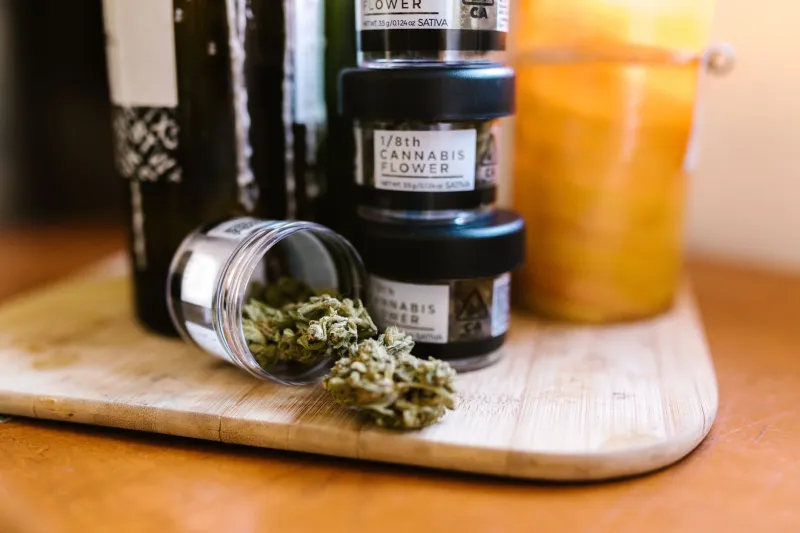
In virtually every other consumer product category, names are tied to something enforceable. A bottle of Cabernet Sauvignon has to meet specific criteria to carry that label. A drug sold as ibuprofen has to contain actual ibuprofen. But in cannabis? A grower, a dispensary, or a distributor can slap "Blue Dream" on just about anything and nobody's going to stop them.
There is no federal oversight of cannabis strain nomenclature — largely because cannabis is still federally illegal, which means the FDA isn't exactly issuing strain naming guidelines. And at the state level, regulations typically focus on things like THC percentages, pesticide testing, and packaging safety. What the product is called is, for the most part, entirely up to whoever is selling it.
This creates a situation where the same name can describe wildly different genetics, different growing conditions, different chemotypes, and dramatically different consumer experiences — all legally, all at the same time, across the country.
Ask a Grower, Get a Complicated Answer
Talk to cultivators about this and you'll hear a range of reactions — from resigned shrugs to genuine frustration. Many small growers will tell you they're doing their best to maintain genetic integrity, sourcing seeds or clones from reputable breeders and keeping detailed records. But even they'll admit the system has cracks.
"I can tell you exactly where my genetics came from," said one craft grower operating in California's Humboldt County who asked not to be named. "But once that flower leaves my hands and gets to a distributor or a retailer, I have zero control over what they call it or how they market it. Sometimes they rename things because a different strain is trending. It's maddening."
On the commercial cultivation side, the pressures are even more pronounced. Large-scale operations are optimizing for yield, consistency of appearance, and THC percentage — the metrics that move product. If a batch of flower tests high and looks beautiful but doesn't quite match the genetic profile of the strain name on the jar, there's often a business incentive to look the other way.
Budtenders Are Caught in the Middle
Front-line dispensary staff — the people actually answering your questions — are frequently working with incomplete information. Most budtenders are doing their genuine best, but they can only tell you what their purchasing team told them, which is often just what the wholesale supplier communicated, which may or may not trace back to verified genetics.
"Honestly, I stopped trying to explain the nuances of specific strains to customers a while back," admitted a budtender at a multi-location Illinois dispensary. "I focus on the lab report, the terpene profile, and the effects the customer is describing. The strain name is kind of just... a conversation starter at this point."
That's actually solid advice. And it points toward a smarter way to shop.
The Metrics That Actually Matter
If strain names are unreliable, what should you actually pay attention to? A few things:
Terpene profiles. Terpenes are the aromatic compounds that contribute significantly to how a cannabis experience feels — and they're measurable. A product heavy in myrcene, linalool, and beta-caryophyllene is likely to feel more relaxing than one dominated by terpinolene and ocimene. Learning a few key terpenes and how they affect you personally is genuinely more useful than chasing a strain name.
Cannabinoid ratios. THC percentage gets all the attention, but the ratio of THC to CBD, and the presence of minor cannabinoids like CBG or CBN, can meaningfully shape your experience. A 28% THC flower with no CBD and minimal terpene diversity might hit harder and less comfortably than a 21% flower with a rich, complex profile.
The Certificate of Analysis (COA). Reputable dispensaries and brands provide lab reports from third-party testing facilities. These documents show you exactly what's in the product — not just the headline THC number, but the full cannabinoid breakdown and terpene data. If a shop can't or won't share this information, that tells you something.
Your own notes. This one's underrated. Keep a simple log — even just notes on your phone — of products that worked well for you. Note the brand, the batch number if available, the terpene profile, and the effects. Over time, you'll start to identify patterns that are far more reliable than any strain name.
Is Standardization Coming?
The cannabis industry is not completely ignoring this problem. Some breeders and seed banks are pushing for genetic certification and protected strain names. Advocacy organizations have floated proposals for a cannabis appellation system modeled on wine's regional designation framework. A handful of states are beginning to explore more rigorous product labeling requirements.
But progress is slow, partly because legalization is still uneven across the country, and partly because the industry has a lot of competing interests when it comes to naming flexibility. Brands have built consumer recognition around certain names. Growers have financial incentives to call their product something that sells. Change, when it comes, will probably be incremental.
In the meantime, the most empowered cannabis consumers are the ones who understand that the name on the jar is just a starting point — a rough map in territory that still doesn't have reliable roads.
Shop Smarter, Not by Reputation Alone
None of this means you should stop buying Gelato or Blue Dream or whatever your go-to happens to be. It just means you should hold those names loosely and do a little more digging before you commit. Ask your budtender for the terpene breakdown. Look at the lab report. Buy from brands that are transparent about their sourcing and genetics.
The best dispensaries out there — the ones actually worth your loyalty — are the ones that can tell you why a product is what it's labeled as, not just that it is. That transparency is rare right now, but it's the direction the industry needs to move.
Until then, treat strain names like movie titles: they give you a vibe, but they don't guarantee the experience.