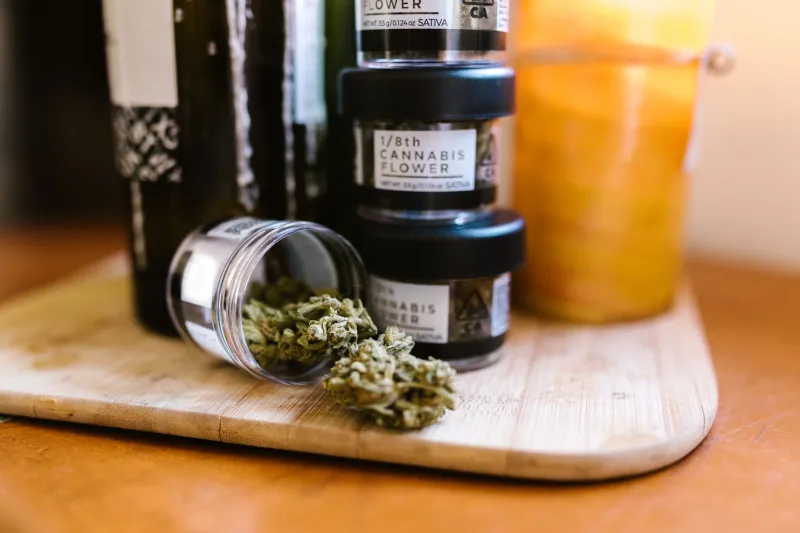
Hype in a Jar: Are You Actually Getting What You Pay For at the Dispensary?
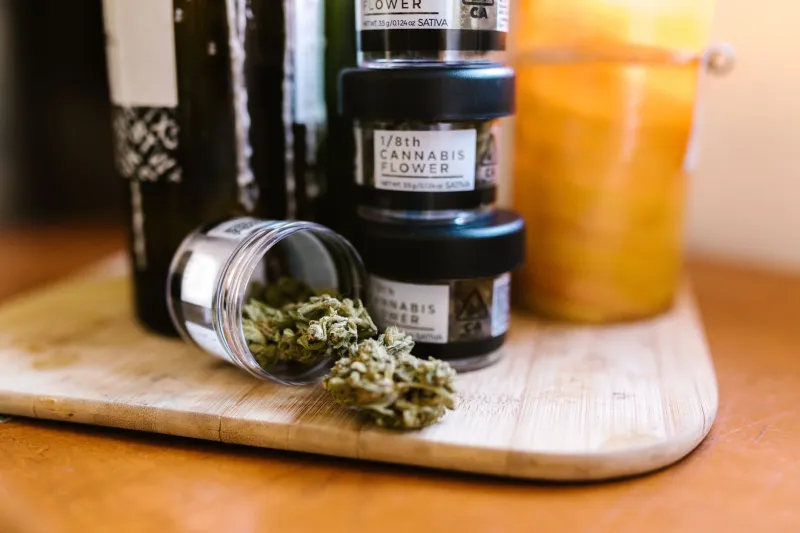
Walk into any well-lit, aesthetically curated dispensary in California, Colorado, or Massachusetts right now and you'll find shelf space divided into tiers. There's the budget section—usually pre-packaged eighths with minimal fanfare—and then there's the "top shelf," a glittering row of matte-finish jars, embossed logos, and strain names that sound like they were workshopped by a Brooklyn marketing agency. The price difference can be staggering. Same gram count, wildly different tags.
So what exactly are you paying for?
That's a question more consumers are starting to ask out loud, and the honest answer is: sometimes a lot, sometimes almost nothing.
The Luxury Cannabis Playbook
Over the past five years, cannabis has borrowed heavily from the luxury goods industry. Limited drops. Influencer partnerships. Strain exclusivity. Brands that lean hard into "craft" and "small-batch" language without any regulatory definition to back those claims up. It's a playbook that works beautifully for selling sneakers or whiskey, and it turns out it works pretty well for weed too.
The problem is that cannabis consumers don't always have the tools to verify what they're actually getting. A bottle of Pappy Van Winkle has a documented aging process and a traceable distillery. A $65 eighth from a hype brand? The provenance is murkier.
"People come in asking for specific brands by name because they saw them on Instagram," says one budtender at a Denver dispensary who asked to remain anonymous. "Half the time I've tried both the hyped stuff and something three shelves down, and honestly? The cheaper one hits just as hard. Sometimes harder."
What Actually Makes Cannabis Expensive to Produce
To be fair, some premium pricing is legitimate. Growing high-quality cannabis is genuinely expensive. Indoor cultivation under dialed-in lighting systems, with careful humidity control, hand-trimming, and extended cure times—that all costs real money. Craft growers who obsess over terpene preservation and harvest timing have higher overhead than large-scale commercial operations, and that shows up in the price.
Then there's testing. Rigorous third-party lab testing for cannabinoid profiles, terpene percentages, and contaminants isn't cheap. Brands that invest in comprehensive COAs (Certificates of Analysis) and make them publicly available are giving you something real: transparency.
But here's where it gets messy. The premium tier also includes brands that have spent a fortune on design studios, celebrity endorsements, and limited-edition packaging collabs—and passed every cent of that cost directly to you. The flower inside the $70 jar may be perfectly adequate. It may even be good. But "good" and "worth $70" are two very different conversations.
The Scarcity Game
Artificial scarcity is one of the more cynical moves in the cannabis marketing arsenal. Brands announce limited runs, create waitlists, and engineer the kind of FOMO that makes consumers feel like missing a drop is missing out on something irreplaceable.
In reality, cannabis strains are not rare commodities. Genetics get shared, cloned, and reproduced constantly across the industry. A strain sold under an exclusive brand name might be grown from the same genetic lineage as something sitting in the mid-shelf section at half the price. The "exclusivity" is often a story, not a supply chain reality.
"I've seen the same cultivar come through under three different brand names at three different price points," says a cultivator in the Pacific Northwest who sells to multiple brands. "The flower is the flower. What changes is the label."
Reading the Room (and the Lab Report)
If you want to cut through the noise, start with the COA. Reputable brands will have lab results accessible—either printed on the packaging, via QR code, or posted on their website. Look beyond THC percentage, which has become a misleading marketing metric. High THC doesn't automatically mean a better experience; it's a one-dimensional measure of a multi-dimensional product.
Instead, check for:
- Terpene profiles — These aromatic compounds drive a lot of the nuance in how a strain actually feels and smells. A flower with a rich, diverse terpene profile is usually more interesting than one that's been optimized purely for THC output.
- Moisture content — Over-dried cannabis burns harsh and fast. Well-cured flower should have some give when you squeeze the bud gently.
- Harvest date — Freshness matters. Cannabis that's been sitting in a warehouse for eight months before hitting shelves isn't delivering peak terpenes, no matter how fancy the jar.
If a brand can't or won't show you this information, that tells you something.
The Budtender Factor
Here's an underutilized resource: the person behind the counter. Good budtenders are genuinely knowledgeable, and many of them are quietly frustrated watching customers overpay for hype brands when better options are sitting right there. Ask them directly: "What's the best value on the shelf right now?" or "What do you actually smoke?" You'll often get a much more honest recommendation than anything an Instagram ad can offer.
Of course, budtenders work in an industry where brand reps sometimes incentivize recommendations, so it's worth triangulating their input with your own research. But a trusted relationship with a knowledgeable budtender is genuinely one of the best assets a cannabis consumer can have.
What Premium Should Actually Mean
None of this is to say that expensive cannabis is always a rip-off. There are brands charging top dollar and fully earning it—growers who are genuinely obsessive about craft, who post detailed COAs, who cure their product with patience, and whose flower delivers a consistently excellent experience. Those brands exist and they're worth supporting.
The issue is that the market has made it hard to tell the difference between earned prestige and manufactured prestige. When packaging design and influencer reach carry the same weight as cultivation quality, the consumer loses.
The cannabis sommelier effect—the idea that a credentialed, sophisticated presentation automatically signals superior product—is a borrowed illusion. Wine sommeliers spend years learning to identify quality through sensory evaluation and provenance knowledge. Cannabis marketing has borrowed the aesthetic of expertise without always providing the substance.
Spend Smarter, Smoke Better
The next time you're standing at a display case, resist the pull of the prettiest jar. Ask for the COA. Look at the terpene numbers. Smell the flower if they'll let you. Talk to the budtender like a human being rather than a transaction.
You might find that the $40 eighth from a smaller, less-Instagrammable brand is the best thing you've smoked all year. Or you might confirm that yes, this particular premium product is absolutely worth the price.
Either way, you'll be making an informed choice instead of just buying a brand story.
And at Mr. Weed, that's exactly the kind of consumer we're rooting for.