What's Actually in Your Weed? How to Read a Cannabis Lab Report—and Why Some Shops Don't Want You To

Photo by Photo by CDC on Unsplash on Unsplash
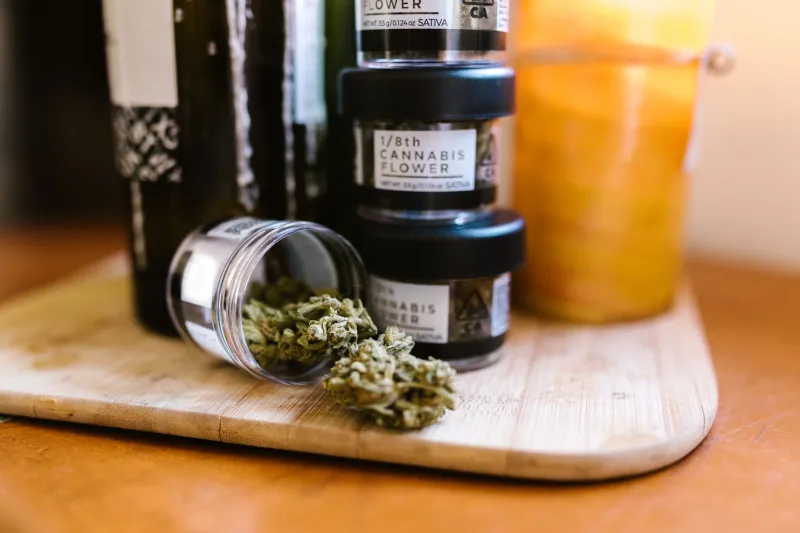
You walk into a dispensary, pick up a jar of flower, and notice a QR code on the label. Maybe you scan it. Maybe you don't. Most people don't—and the cannabis industry, frankly, is counting on that.
Behind that QR code (or sometimes buried in a binder behind the counter, or conspicuously absent altogether) is a document called a Certificate of Analysis, or COA. It's the lab report for your cannabis product. And learning to read it might be one of the most useful things you can do as a consumer in the legal market.
Let's break down what these reports actually tell you, what they're legally required to include, and why some dispensaries would rather you never look.
What a Certificate of Analysis Actually Is
A COA is a document produced by a licensed, third-party testing laboratory that analyzes a cannabis sample for a range of compounds and potential contaminants. In every legal US cannabis market, some form of testing is required before a product can hit shelves. But here's the catch: what's required varies enormously from state to state.
In California, Colorado, and Illinois, testing requirements are relatively robust. In other markets, particularly newer or more loosely regulated ones, the standards can be thin enough to drive a truck through.
A comprehensive COA typically includes several distinct panels:
- Potency analysis
- Terpene profile
- Pesticide screening
- Heavy metals testing
- Microbial contamination screening
- Residual solvents testing (for concentrates and extracts)
- Mycotoxin screening (for mold-related toxins)
If a COA you're looking at only covers potency and nothing else, that should prompt some questions.
The Potency Numbers: More Complicated Than They Look
THC percentage is the number that gets all the attention. It's on the front of the package, it's what budtenders lead with, and it's what most consumers use to gauge product strength. It's also one of the most misunderstood metrics in the industry.
First, a little chemistry. Raw cannabis flower contains THCA—tetrahydrocannabinolic acid—which is the non-psychoactive precursor to THC. When you apply heat (smoking, vaping, cooking), THCA converts to THC through a process called decarboxylation. So what matters for understanding the actual psychoactive potential of flower is the Total THC calculation, which looks like this:
Total THC = THC + (THCA × 0.877)
A product labeled at 25% THC might actually have most of that as THCA. The label should specify. If it doesn't, that's worth asking about.
Here's another uncomfortable truth: cannabis potency testing has a documented accuracy problem. Multiple studies, including a well-publicized investigation by the Journal of Cannabis Research, have found that commercial labs frequently inflate THC percentages—sometimes by as much as five to fifteen percentage points. Why? Because producers know consumers shop by THC numbers, creating a financial incentive for labs to deliver favorable results. This is sometimes called "lab shopping," and it's a genuine integrity problem in the industry.
CBD percentages follow a similar CBDA-to-CBD conversion logic. For consumers seeking therapeutic effects from CBD-rich products, accurate CBD reporting matters just as much.
The Terpene Panel: Your Flavor and Effect Fingerprint
Potency tells you how strong something might be. Terpenes tell you more about how it might feel and taste. These aromatic compounds—myrcene, limonene, linalool, caryophyllene, and dozens of others—influence the character of a high through what researchers call the entourage effect.
A COA with a detailed terpene breakdown is a sign that a producer is serious about quality and transparency. Terpene testing isn't universally required, which means finding it on a label is a genuine differentiator. If you're trying to find strains that reliably hit the way you want, learning which terpene profiles work for you is far more useful than chasing arbitrary THC numbers.
The Safety Panels: What Should Concern You Most
Here's where COA literacy becomes genuinely important for your health.
Pesticide screening checks for agricultural chemicals that may have been used during cultivation. Legal cannabis is supposed to be grown to specific pesticide standards, but enforcement varies. Pesticides like myclobutanil—which converts to hydrogen cyanide when burned—have been detected in cannabis products that passed regulatory inspection in some states. A clean pesticide panel matters.
Heavy metals testing screens for lead, arsenic, cadmium, and mercury. Cannabis is a bioaccumulator, meaning it absorbs heavy metals from soil with unusual efficiency. Contaminated grow media or outdoor soil near industrial areas can result in elevated heavy metal content in finished products.
Microbial testing checks for harmful bacteria and fungi, including E. coli, Salmonella, and Aspergillus mold. This matters most for immunocompromised consumers, but it's relevant for everyone. Inhaling mold spores is not a minor concern.
Residual solvents are relevant for concentrates, vape cartridges, and extracts made using hydrocarbon or ethanol extraction. The COA should confirm that solvent levels fall within safe limits.
Why Some Dispensaries Won't Show You the Full Picture
Now for the investigative part. If COAs are required by law, why do some shops make them hard to find?
Several reasons, none of them flattering:
Lab shopping and inflated numbers. Some producers cycle through labs until they get results they like. A COA from a lab with a reputation for generous potency readings is worth less than one from a lab known for rigorous methodology. Shops carrying products from lab shoppers may not want you digging into the sourcing.
Outdated reports. COAs have a date on them. A report from two years ago on a product sitting on the shelf today tells you very little about what's actually in that package now. Some retailers display old COAs rather than current ones.
Regulatory arbitrage. In states with weaker testing requirements, some operators do the minimum legally required—which might mean no heavy metals panel, no terpene data, and limited pesticide screening. Displaying a thin COA prominently would invite uncomfortable questions.
Gray and informal market product. Yes, even in legal states, unlicensed product occasionally makes its way into retail channels. Products without valid COAs from licensed labs are a serious red flag.
How to Shop Like You Know What You're Doing
Here's a practical checklist for your next dispensary visit:
- Ask to see the COA for any product you're considering. A good shop will hand it over without hesitation.
- Check the date. The test date should be recent—ideally within the past six to twelve months.
- Look for the full panel. Potency plus terpenes plus safety testing equals a complete picture. Missing panels are a yellow flag.
- Note the lab name. Third-party, ISO-accredited laboratories are the gold standard. If a brand is using its own in-house testing, that's a conflict of interest.
- Compare Total THC, not just listed THC. Do the math if you need to.
- Trust your gut. If a budtender gets evasive or dismissive when you ask about lab reports, that tells you something about how that shop operates.
The Transparency Gap Is Closing—But You Have to Push
The good news is that consumer pressure works. States like Oregon and California have made COA access increasingly streamlined, and advocacy organizations continue to push for standardized testing requirements and public databases of lab results.
But until federal legalization creates a uniform national standard, the burden of due diligence still falls partly on you. The more consumers ask for full lab reports, the harder it becomes for the industry to operate in the shadows.
Your weed should come with receipts. Don't be afraid to ask for them.