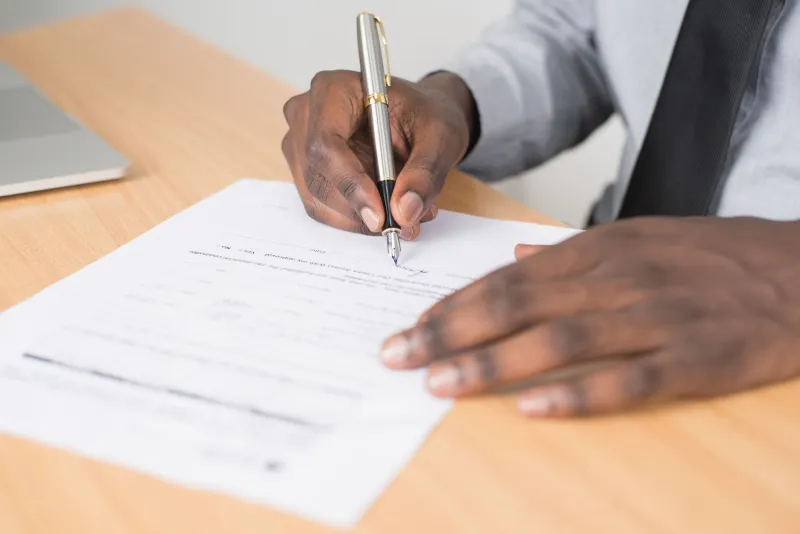
Can Your Boss Fire You for Legal Weed? What Workers Need to Know State by State
Let's set the scene: it's Friday night, you're in a legal state, you pick up something from your local dispensary, and you enjoy a completely lawful session at home. Monday morning rolls around, you show up to work sharp and sober — and then HR calls you in for a random drug screen. You test positive for THC metabolites. And just like that, your legal weekend activity costs you your job.
This is the uncomfortable reality for millions of American workers right now. The patchwork of state cannabis laws has created a situation where what's perfectly legal in your state after 5 p.m. can still get you fired by 9 a.m. the next workday. But the legal landscape is shifting — and workers in many states now have more protections than they realize.
Here's what you actually need to know.
The Core Problem: THC Lingers Long After the High
Before diving into the state-by-state picture, it's worth understanding why cannabis is uniquely complicated in the drug testing world. Unlike alcohol, which clears your system in hours, THC metabolites are fat-soluble and can remain detectable in urine for days, weeks, or even longer depending on your usage habits.
General detection windows for urine tests (the most common employer screening method):
- Occasional user (once a week or less): 3–7 days
- Moderate user (a few times a week): 7–14 days
- Daily user: 14–30 days
- Heavy daily user: Up to 45–90 days in some cases
This means a drug test doesn't tell an employer whether you were impaired at work — it only tells them you consumed cannabis at some point in recent history. Critics of workplace cannabis testing, including civil liberties advocates and employment law attorneys, have argued for years that urine THC screening is a poor proxy for actual impairment. Saliva tests, which detect more recent use (typically within 24–72 hours), are gaining traction as a more relevant alternative — but urine testing remains the industry standard.
Where Employees Have Real Protections
A growing number of states have enacted laws that specifically protect employees from adverse action based on lawful off-duty cannabis use. These states generally prohibit employers from firing, refusing to hire, or otherwise penalizing workers solely because they tested positive for cannabis — as long as the employee wasn't impaired on the job.
States with notable off-duty use protections include:
- California — AB 2188 (effective January 2024) prohibits employers from discriminating based on off-the-job cannabis use or a positive test for non-psychoactive metabolites. One of the strongest protections in the country.
- New York — The HERO Act and cannabis law together provide strong protections. Employers generally cannot penalize workers for off-duty cannabis use.
- New Jersey — Employers cannot take adverse action based solely on a positive cannabis test without additional evidence of impairment.
- Illinois — Protections exist for off-duty use; employers must have a reasonable belief of impairment before taking action.
- Colorado — Protects employees from being fired for lawful off-premises activities, which now explicitly includes cannabis use.
- Minnesota — Recent legalization includes employee protections for off-duty use.
- Montana, Arizona, New Mexico — Each has varying degrees of protections tied to their adult-use laws.
- Connecticut, Rhode Island, New Jersey — Have enacted specific anti-discrimination provisions for cannabis users.
Where You're Still Largely Unprotected
Many states — even some with medical or recreational cannabis programs — offer workers little to no legal shelter from employer testing policies.
States where employer discretion remains broad:
- Texas, Florida, Georgia, and most of the Southeast — Either no legal cannabis at all, or medical-only programs with minimal employment protections.
- Ohio — Recently legalized adult use, but employment protections are not yet well-established.
- Nevada — Actually pioneered protections for job applicants, but ongoing employment protections have gaps.
- Washington State — Surprisingly, Washington has limited employment protections despite being one of the first legal states. Employers retain broad testing rights.
- Oregon — Similar to Washington; robust cannabis market, but employee protections are limited.
Federal workers and employees in federally regulated industries — transportation, aviation, defense contractors, nuclear energy — face a completely different standard. Federal law still classifies cannabis as a Schedule I substance, meaning these workers have virtually no protection regardless of state law. If you hold a CDL, work for a federal agency, or are in a safety-sensitive role under DOT regulations, assume zero cannabis protections apply.
What You Should Actually Do With This Information
Know your state law before you consume. This isn't just about knowing cannabis is legal where you live — it's about understanding whether your employer can act on a positive test. Check your state's current employment statutes or consult an employment attorney if you're unsure.
Read your employee handbook. Many employers have drug-free workplace policies that are more restrictive than state law. In most states, private employers can still enforce stricter internal policies even where legal protections exist.
Understand your industry. Safety-sensitive jobs — healthcare, transportation, heavy machinery operation — carry additional legal obligations and liability concerns that can override state-level protections.
Don't assume a medical card protects you. In many states, holding a medical cannabis card does not automatically protect you from employer drug testing consequences. Medical status helps in some states (like Arizona and Delaware), but not universally.
If you're job hunting, ask. More companies — especially in tech, creative industries, and startups — have quietly dropped cannabis testing entirely. It's increasingly acceptable to ask a recruiter whether cannabis is included in pre-employment screening.
The Direction Things Are Heading
The trend line is clear: as legal cannabis becomes more normalized across the country, employer testing policies are evolving. Major corporations from Amazon to Walmart have dropped cannabis from pre-employment screening. A growing number of states are legislating stronger worker protections with each new legalization cycle.
But "the direction things are heading" doesn't pay your rent today. Until federal law changes — and until every state catches up — the responsibility falls on consumers to stay informed about their specific situation.
Legal weed is a right in a growing chunk of America. Keeping your job while exercising that right is still a matter of knowing exactly where the lines are drawn.