Flower, Concentrates, or Synthetics? How to Pick the Right Cannabis Format for You
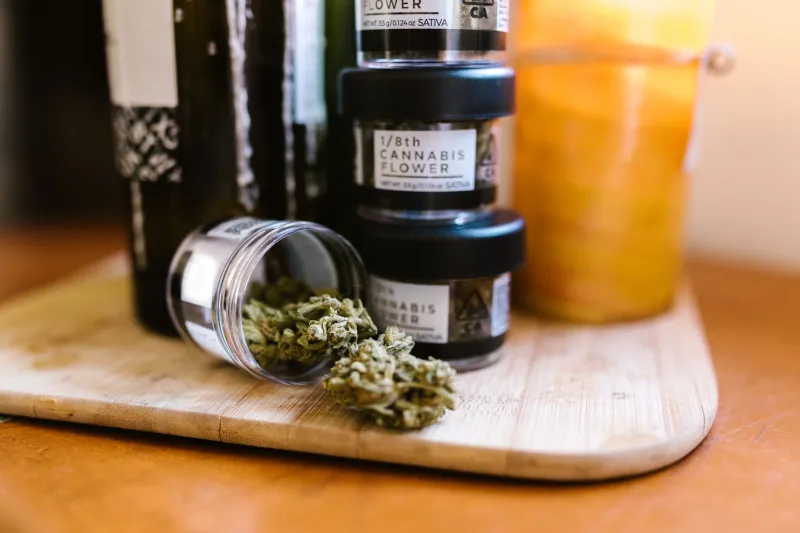
Walk into a well-stocked dispensary in 2025 and you're not just buying weed anymore. You're navigating a product landscape that would have been unrecognizable a decade ago — jars of cured flower sit alongside live resin carts, solventless hash, distillate syringes, THCA diamonds, and a growing shelf of synthetic cannabinoid products that blur the line between cannabis and pharmaceutical.
For experienced consumers, this variety is exciting. For newcomers — or even longtime smokers who've been out of the loop — it can be genuinely overwhelming. Different formats hit differently. They cost differently. They make sense for different moments in your day and different chapters of your life.
Let's cut through the noise.
Traditional Flower: The Baseline
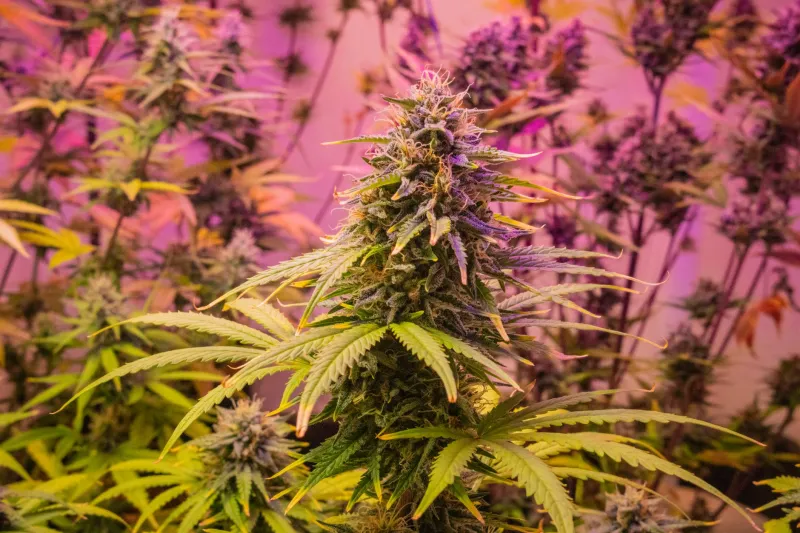
Flower is where almost everyone starts, and it remains the best-selling format in most legal markets for good reason. It's intuitive, versatile, and — when sourced from a quality grower — delivers the full-spectrum experience that cannabis is known for: cannabinoids, terpenes, and minor compounds all working together in what researchers call the "entourage effect."
Potency: Most retail flower lands between 18–30% THC, though those numbers are famously imprecise. The experience depends heavily on terpene content and how the plant was grown and cured.
Onset time: Near-instant when smoked or vaped — effects typically hit within minutes and peak around 15–30 minutes.
Duration: 1.5–3 hours for most people.
Cost per dose: Flower is generally the most economical option on a per-use basis. A gram of mid-tier flower runs $8–$15 in most legal markets, and a single bowl or joint can last multiple sessions for lighter consumers.
Best for: Casual consumers, social settings, anyone who values the ritual of rolling or packing a bowl, and people who want the most "whole plant" experience available.
Limitations: Combustion is hard on the lungs, and flower degrades quickly without proper storage. Not ideal for discreet use.
Vape Cartridges and Disposables: Convenience Wins
Vape carts have become the go-to format for consumers who prioritize discretion and ease of use. Most carts are filled with distillate — a highly refined, nearly odorless oil that's been stripped of most compounds other than THC — sometimes with terpenes added back in for flavor and effect.
Potency: Distillate carts typically run 70–90% THC. Live resin carts, made from flash-frozen fresh plant material, preserve more of the original terpene profile and tend to feel more nuanced despite sometimes lower THC percentages.
Onset: 1–5 minutes.
Duration: Similar to flower — roughly 1–2 hours, though high-potency carts can extend this.
Cost per dose: Carts generally run $25–$60 for a half-gram or full gram. On a per-puff basis they're competitive with flower, though cheaper carts often use lower-quality distillate.
Best for: On-the-go use, office workers, travelers, and anyone who wants minimal smell and maximum convenience. Live resin carts are a solid upgrade for consumers who miss the complexity of flower.
Limitations: Battery reliability, concerns about cutting agents in unregulated products (always buy licensed), and the loss of full-spectrum experience with basic distillate.
Concentrates: High Potency, Higher Ceiling
This is where things get serious. Concentrates encompass a wide range of products — wax, shatter, budder, live resin, rosin, THCA diamonds — all of which deliver significantly more cannabinoids per dose than flower or carts.
Solvent-Based Concentrates
Products like BHO (butane hash oil) wax and shatter are made using chemical solvents to strip cannabinoids from plant material. They're potent (60–90% THC), widely available, and relatively affordable. Properly made and lab-tested solvent-based concentrates are safe, but quality control matters enormously here.
Solventless Concentrates
Live rosin, dry-sift hash, and bubble hash are extracted using only heat, pressure, ice, and water. No solvents, no residuals. These products are increasingly popular among connoisseurs who want the cleanest possible extract. They tend to be pricier — a gram of quality live rosin can run $60–$100 — but the flavor and full-spectrum experience is unmatched.
Onset: Near-instant when dabbed.
Duration: Can extend to 2–4 hours depending on dose and individual tolerance.
Cost per dose: High upfront cost per gram, but a little goes a very long way. A single dab is typically 0.05–0.1g.
Best for: High-tolerance consumers, medical patients needing strong relief, flavor-chasers, and anyone willing to invest in the ritual of dabbing.
Limitations: Steep learning curve, requires a dab rig or e-rig, and the potency is genuinely not beginner territory.
Edibles and Tinctures: The Long Game
Edibles and tinctures occupy a different category altogether — they're absorbed differently by the body, which changes everything about the experience.
Edibles (gummies, chocolates, beverages) are metabolized through the liver, which converts THC into 11-hydroxy-THC, a more potent compound that produces a longer, more body-heavy effect.
Onset: 30 minutes to 2 hours — this is where most rookie mistakes happen. Don't redose too early.
Duration: 4–8 hours. Plan your day accordingly.
Cost per dose: Affordable. A 10mg gummy typically runs $3–$6 in most markets, and 10mg is a solid starting dose for most adults.
Tinctures (sublingual drops) offer a middle ground — faster onset than edibles (15–45 minutes when held under the tongue) with more predictable dosing.
Best for: Medical patients, people who can't or won't inhale anything, consumers wanting longer-lasting relief, and anyone who needs to be precise about dosing.
Synthetic Cannabinoids: The Complicated Shelf
This is the most nuanced category and the one that deserves the most scrutiny. Synthetics include products derived from hemp-extracted cannabinoids — Delta-8 THC, Delta-10, HHC, THCO, and others — that exist in a legal gray zone in many states where Delta-9 THC remains restricted.
In fully legal states, you'll also encounter pharmaceutical-adjacent products and research-chemical derivatives being marketed to cannabis consumers.
The honest take: Some hemp-derived Delta-8 products are manufactured responsibly and lab-tested rigorously. Many are not. The lack of federal regulatory oversight in this space is a genuine consumer safety concern. If you're in a legal state with access to licensed Delta-9 products, there's limited reason to default to synthetics. If you're in a restricted state and exploring these products, buy only from brands with third-party COAs (certificates of analysis) and avoid anything sold at gas stations.
Matching Format to Moment
Here's the quick-reference guide Mr. Weed recommends keeping in the back of your head:
| Situation | Best Format |
|---|---|
| Casual evening at home | Flower or live resin cart |
| Discreet use during the day | Distillate vape cart |
| Chronic pain or sleep issues | Edibles or high-potency concentrate |
| Social gathering | Flower or low-dose gummy |
| Flavor exploration | Solventless concentrate or live resin |
| First-time consumer | Low-dose edible (2.5–5mg) or light flower |
| High-tolerance veteran | Concentrates, full stop |
The legal cannabis market has given consumers more choice than ever before. That's genuinely worth celebrating — but it comes with the responsibility to understand what you're buying. Know your format, know your dose, and buy from licensed retailers who can back up what's on the label with real lab data.