Grow Your Own: The Beginner's Playbook for Home Cannabis Cultivation
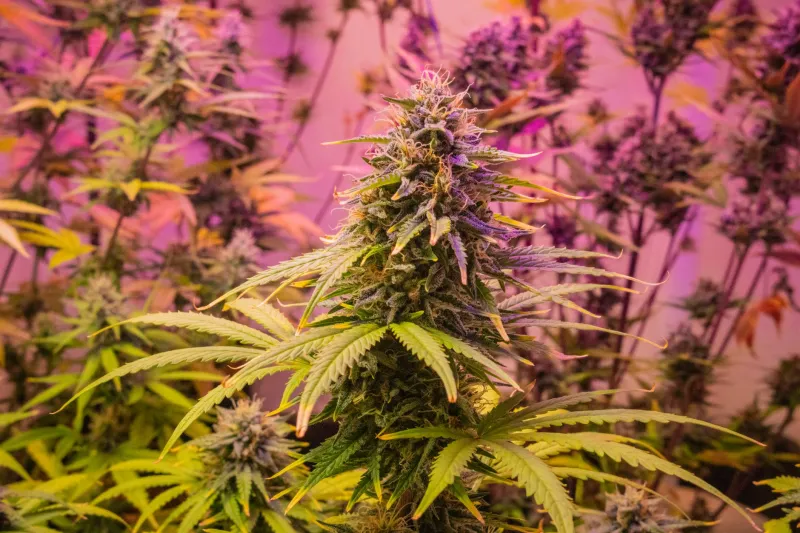
There's something deeply satisfying about harvesting your own bud. No dispensary lines, no wondering what the terpene profile actually was before it sat in a jar for three months, and no sticker shock at the register. Home cultivation has been quietly exploding across legal states, and honestly? It makes a lot of sense for the right kind of consumer.
But growing cannabis isn't just a hobby you can stumble into without homework. State laws are a patchwork quilt of plant limits, residency rules, and visibility requirements. Startup costs can range from next to nothing to several thousand dollars depending on your setup. And strain selection — well, picking the wrong one as a beginner is a fast track to frustration.
Let's break it all down.
First Things First: Can You Legally Grow Where You Live?
As of 2025, home cultivation is permitted for adults in most states where recreational cannabis is legal, but the rules vary wildly. Here's a quick snapshot of what some key states allow:
- California: Up to 6 plants per adult, kept out of public view. Local municipalities can restrict or ban home grows, so check your city ordinances.
- Colorado: 3 mature plants and 3 seedlings per person, maxing out at 12 plants per household regardless of how many adults live there.
- Michigan: 12 plants per household for personal use — one of the more generous allowances in the country.
- Oregon: 4 plants per household, and they must not be visible from a public place.
- Illinois: Medical patients can grow up to 5 plants; recreational-only adults cannot legally cultivate at home as of this writing.
- New York: Adults can grow up to 3 mature and 3 immature plants, with a household cap of 6 mature plants.
- Texas, Florida, Georgia: Home cultivation is not permitted for recreational or medical users. Full stop.
Always verify your state and local rules before you buy a single seed. Laws change, and local ordinances can tighten what the state permits. The NORML state laws database is a solid starting point for current info.
What's It Actually Going to Cost You?
The "grow your own to save money" pitch is real, but there's an upfront investment to reckon with. Here's how the math typically shakes out:
Outdoor Growing (Budget Tier)
If you've got a sunny backyard or balcony and live in a climate that cooperates, outdoor growing is the most cost-effective path. Seeds or clones: $10–$50 per plant. Add in some quality soil, a few fabric pots, basic nutrients, and a pH meter, and you're looking at a $100–$300 total startup cost for a small grow. Harvest yields from a single well-tended outdoor plant can reach 1–3 ounces or more, which at dispensary prices of $30–$50 per eighth, pays for itself fast.
Indoor Growing (Mid-Range Setup)
Indoor growing gives you control over every variable — light cycles, humidity, temperature — but it comes with higher overhead. A basic indoor setup including a 2x4 grow tent, an LED grow light, inline fan, carbon filter, and basic nutrients will run you $400–$800. Add in electricity costs (LED lights are far more efficient than older HPS setups) and you're still likely breaking even within your first harvest compared to retail prices.
Premium Indoor Setups
If you want dialed-in environmental controls, automated watering systems, and top-shelf LED fixtures, costs can climb to $1,500–$3,000+. This tier is overkill for most beginners but worth knowing about as you scale up.
Choosing Your First Strain: Forgive the Rookie Mistakes
Not all cannabis plants are created equal when it comes to beginner-friendliness. Some strains are finicky, mold-prone, or demand precise environmental conditions. Others are practically begging to grow. Here's what to look for and a few strains worth starting with.
What Makes a Strain "Beginner-Friendly"?
- Shorter flowering time: Faster crops mean less time for things to go wrong.
- Mold and pest resistance: Critical if you're growing outdoors or in a less-controlled environment.
- Forgiving of minor nutrient errors: Some strains punish you hard for over-feeding; others shrug it off.
- Compact structure: Easier to manage in small spaces.
Top Picks for New Growers
Northern Lights — A classic for a reason. This indica-dominant strain is sturdy, compact, and surprisingly resistant to mold and pests. It flowers in about 7–8 weeks indoors and produces dense, resinous buds. Effects are deeply relaxing — great for evening use.
Blue Dream — A West Coast legend that translates well to home grows. It's a sativa-dominant hybrid that's relatively forgiving, produces generous yields, and delivers that balanced, uplifting high that's made it a staple in California dispensaries for years.
Auto-flowering strains (any variety) — If you're growing outdoors or want a faster turnaround, autoflowering genetics are a beginner's best friend. They flower based on age rather than light cycles, meaning less management on your part. Look for auto versions of strains like Gorilla Glue, White Widow, or Blueberry.
Durban Poison — An all-time great for outdoor growers. This pure sativa is incredibly hardy, thrives in a wide range of climates, and finishes earlier in the season than many sativas. The energetic, clear-headed high is a fan favorite.
The Quality Control Argument
Beyond cost savings, home growing gives you something dispensaries genuinely can't: complete transparency. You know exactly what nutrients went into the soil, whether any pesticides were used, how the plant was dried and cured, and how fresh the final product is. For consumers who care deeply about what they're putting in their bodies — and more of us do every year — that's not a small thing.
Home cultivation isn't for everyone. It takes time, patience, and a willingness to learn from your mistakes (and you will make some). But for the right person, it's one of the most rewarding extensions of the legal cannabis lifestyle. Mr. Weed says: know your laws, do your math, pick a forgiving strain, and enjoy the process.