Smoke and Mirrors: How Fancy Packaging Convinced You to Pay $70 for Average Weed
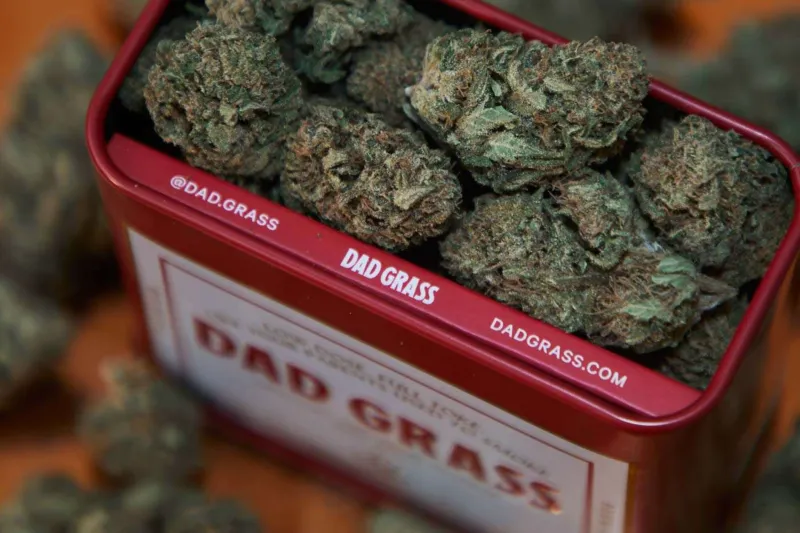
Walk into any upscale dispensary in Los Angeles, Denver, or New York City right now, and you'll notice something immediately: the shelves look like a high-end skincare boutique. Matte-finish tins. Embossed logos. QR codes linking to curated Spotify playlists. Strains named after celebrities, zip codes, or obscure jazz albums. And prices that would make your 2015 self absolutely lose their mind.
Somewhere between legalization and now, cannabis retail quietly adopted the playbook of the luxury goods industry. And just like a $400 designer T-shirt that costs $12 to manufacture, a lot of what you're paying for at the premium end of the cannabis market has very little to do with what's actually inside the package.
That's not cynicism — that's just the business.
The Dispensary as Status Symbol
The psychology here isn't new or unique to weed. Behavioral economists have documented for decades that consumers routinely conflate price with quality, especially in categories where quality is genuinely hard to measure. Wine is the classic example. Studies going back to the early 2000s have shown that people consistently rate the same wine as better-tasting when told it costs more. Brain imaging research suggests this isn't even self-deception — the brain's reward centers actually respond more intensely to the pricier option.
Cannabis hits this same psychological sweet spot hard. The effects of a given strain are subjective, variable, and influenced by dozens of factors including your mood, tolerance, and what you ate for lunch. That makes it nearly impossible for most consumers to objectively evaluate whether a $65 eighth was meaningfully better than the $30 option sitting right next to it.
So we fall back on proxies. And the cannabis industry has gotten very, very good at manufacturing compelling proxies.
What You're Actually Paying For
Let's break down where that premium pricing actually goes. When a brand charges significantly more than the market average, the markup is typically driven by some combination of the following:
Marketing and brand development. Building a recognizable cannabis brand — especially one with influencer partnerships, event presence, and social media reach — is expensive. Those costs get baked into the retail price. You're not just buying flower; you're subsidizing the Instagram campaign.
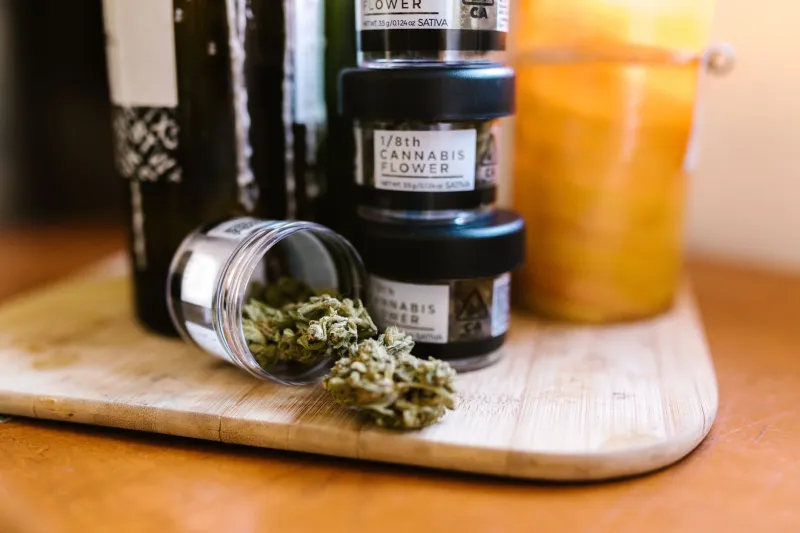
Packaging and design. Premium cannabis packaging can cost brands several dollars per unit before a single gram of product is involved. Custom glass, child-resistant mechanisms, humidity control inserts, and high-end printing all add up fast. It looks great on your shelf. It doesn't change what's inside.
Licensing, compliance, and retail margin. Legal cannabis is heavily taxed and regulated. Dispensaries typically mark up product 50–100% or more. Some of what feels like a brand premium is actually just the accumulated cost of operating legally in a complex regulatory environment.
Actual cultivation quality. This is the one that actually matters — and it's often the smallest slice of the price difference. Craft cultivators who grow in smaller batches, optimize curing times, and prioritize terpene preservation genuinely do produce better flower. But they're not always the most expensive option, and the most expensive option is definitely not always them.
The Influencer Co-Sign Economy
Celebrity and influencer cannabis brands deserve their own paragraph because they represent perhaps the purest expression of branding-over-substance pricing. When a rapper, athlete, or lifestyle influencer attaches their name to a cannabis line, the product instantly commands a premium — not because their cultivation expertise is unmatched, but because their audience is buying proximity to a persona.
This isn't inherently a scam. Brand identity has real value. But it's worth being clear-eyed about what you're purchasing. The flower inside a celebrity-branded jar was almost certainly grown by a contract cultivator, processed and packaged by a third party, and has no meaningful connection to the famous face on the label. You're buying a piece of cultural cachet, not a superior high.
That's fine if you go in with eyes open. It's a problem when the marketing convinces you it's something else.
So What Actually Justifies a Premium?
Here's where it gets genuinely interesting, because premium cannabis isn't always a ripoff. There are real quality differentiators that are worth paying for — you just need to know what to look for.
Terpene profiles matter. The aromatic compounds that give cannabis its distinctive smells and contribute to its effects are volatile and delicate. Poorly handled flower loses terpenes during drying, curing, and storage. A brand that invests in proper small-batch curing and humidity-controlled packaging is offering something genuinely different. Look for lab reports that include terpene percentages, not just THC numbers.
Cultivation method counts. Sun-grown, organic, or craft-cultivated cannabis often has a complexity and depth of effect that mass-produced greenhouse flower doesn't match. Some smaller brands charge a real premium for this, and it's often earned.
Freshness is huge and underrated. Old weed is worse weed. Period. Brands that move product quickly, display harvest dates, and maintain proper storage conditions are providing genuine value that shows up in your experience.
Consistency is worth something. If a brand reliably delivers the same experience across batches, that predictability has real value for medical users and connoisseurs alike. Consistency requires quality control infrastructure that costs money.
The Budget-Tier Secret Nobody Talks About
Here's what the premium brands don't want you to know: a lot of house-brand and budget-tier cannabis at your local dispensary comes from the exact same cultivators as the fancy stuff. Dispensaries often source from regional growers who sell product under multiple labels at different price points. The $28 eighth in the plain white bag might be genetically identical to the $58 eighth in the custom tin with the embossed logo.
This is especially common in mature markets like California and Colorado, where wholesale cannabis prices have dropped dramatically over the past few years. Cultivators are producing more than the market can absorb at premium prices, and that excess moves into budget and house-brand channels.
Ask your budtender. Seriously. A good one will tell you which of the lower-priced options punch above their weight class. That's literally their job, and the ones who know their inventory will steer you right.
How to Shop Smarter
None of this means you should never buy the fancy jar. Sometimes the branding is part of the experience you want, and that's a completely valid reason to spend more. But if you're trying to optimize for actual effect quality per dollar, here's a practical approach:
Always check for a certificate of analysis (COA) from a third-party lab. Look beyond THC percentage — terpene content and profile are more predictive of the high you'll experience. Ask about harvest and packaging dates. Try house brands and dispensary-exclusive products before assuming they're inferior. And be honest with yourself about whether you're buying the weed or buying the story.
The cannabis sommelier effect is real — and the industry has spent millions making sure you feel it every time you walk through those frosted-glass doors. A little skepticism is free. And it might just save you thirty bucks an eighth.