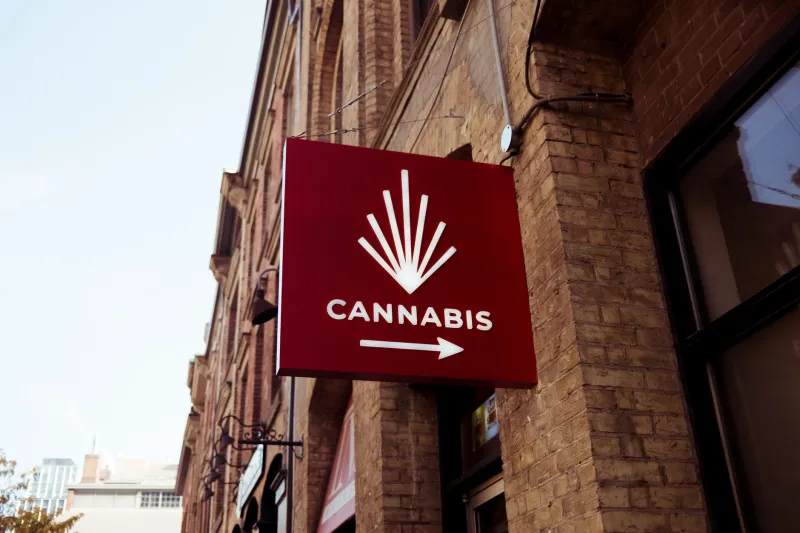
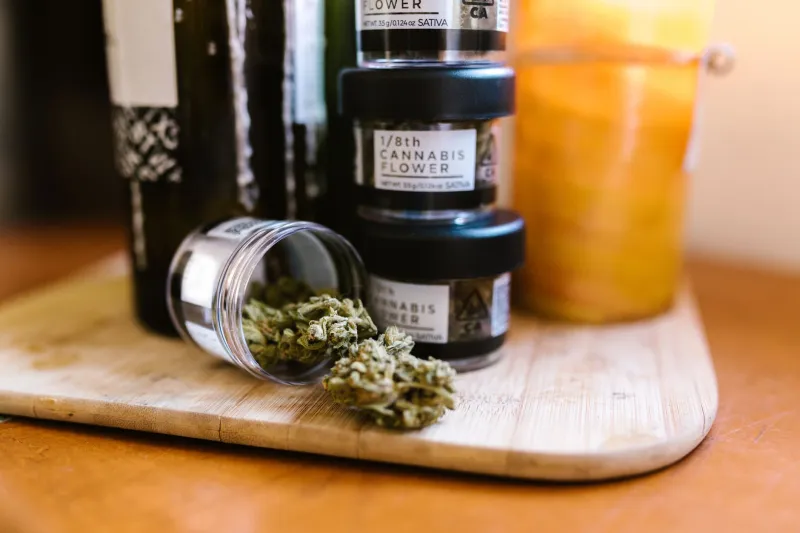
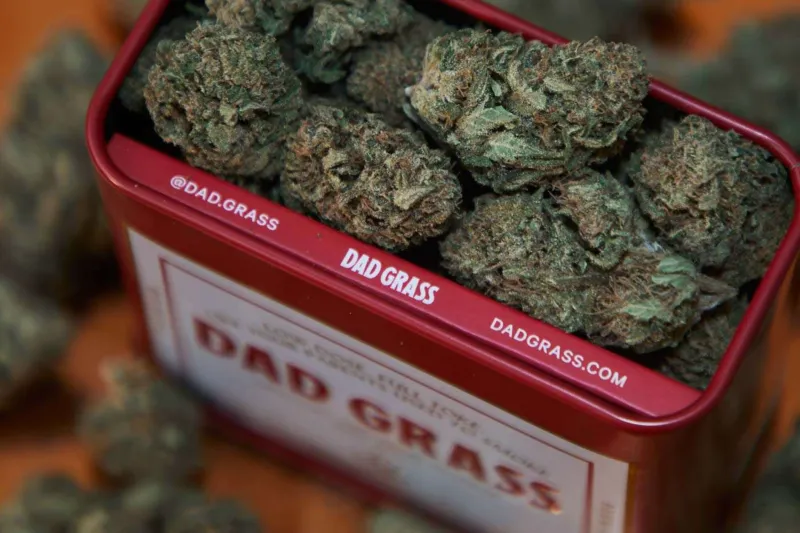
Swipe, Earn, Lose: The Dirty Truth About Dispensary Rewards Programs
You've been a regular at the same dispensary for eight months. You've dropped a few hundred dollars there, dutifully handed over your ID, watched the budtender scan your loyalty card, and smiled at the little "points added" notification on your receipt. Then one Tuesday you go to redeem something and discover your balance is zero. Expired. Gone. And nobody sent you a reminder.
Welcome to the dispensary loyalty trap.
Rewards programs at cannabis retailers have exploded over the past few years, and at first glance they seem like a win for consumers. Spend money, earn points, get discounts. Simple enough. But dig into how these programs actually work—and who they're actually designed to serve—and a messier picture emerges.
The Points Math Is Almost Never in Your Favor
Let's start with the numbers, because this is where most programs reveal themselves pretty quickly.
A common structure at dispensaries goes something like this: earn one point for every dollar spent, then redeem 100 points for a $5 discount. That's a 5% return on spending, which sounds reasonable until you realize most grocery store loyalty programs hover around 1–2% and still manage to feel generous. Cannabis loyalty programs often dress up a modest return with flashy branding and tiered status levels that make you feel like a VIP without actually saving you that much.
Other programs are even less transparent. Some issue points based on visit frequency rather than spend, which penalizes customers who drop $150 at once versus those who stop in five times for $30 each. Others use a proprietary point currency with no clear dollar conversion listed anywhere on the app or at the register. You're essentially accumulating a currency whose exchange rate the retailer can quietly adjust at any time—and in most states, there's no regulation requiring them to tell you when they do.
Expiration Dates: The Loyalty Program's Favorite Disappearing Act
Here's where it gets genuinely frustrating. A significant number of dispensary rewards programs include point expiration clauses buried in their terms of service. Typical windows range from 90 days to 12 months of account inactivity, but some programs expire points on a rolling basis regardless of whether you've been shopping regularly.
The kicker? Most dispensaries don't proactively notify customers before their points vanish. Unlike airline miles programs that send warning emails, many cannabis loyalty apps simply let the clock run out. You find out when you try to redeem and come up empty.
This isn't accidental. Unredeemed points are essentially free revenue for the retailer. It's called "breakage" in the loyalty program industry, and it's a well-documented strategy. The higher the breakage rate, the more profitable the rewards program becomes for the business running it. In a heavily regulated industry with tight margins, that breakage can actually be a meaningful line item.
State Laws Are Making This Even More Complicated
Here's a layer most consumers don't think about: cannabis loyalty programs operate in a legal gray zone that varies wildly by state.
In states like California, Colorado, and Michigan—where the adult-use market is mature—some dispensaries have built sophisticated digital loyalty ecosystems with apps, tiered memberships, and birthday bonuses. But state advertising and promotional regulations often limit what dispensaries can actually offer. In certain states, giving away free cannabis products as a reward is explicitly prohibited, which means your points can only be redeemed against purchases, not converted into complimentary items. That limits the ceiling on what these programs can actually deliver.
In states that have more recently legalized, like New York and New Jersey, the market is still shaking out, and loyalty programs are less standardized. Some newer operators have launched genuinely competitive programs to grab market share, while others have copied the fine-print-heavy structures from older markets without improving them.
And in states where cannabis is still illegal? There's a shadow economy of informal "loyalty" arrangements—punch cards, under-the-table discounts, relationship-based pricing—that obviously come with zero consumer protection. No dispute process, no accountability, no recourse if the deal evaporates. The legal market, for all its flaws, at least gives you something to push back against.
Tiered Status Is Designed to Keep You Spending, Not Saving
Many dispensaries have introduced tiered loyalty structures—think Bronze, Silver, Gold, Platinum—that promise escalating benefits as you spend more. On paper, this rewards your most loyal customers. In practice, it's a psychological retention tool.
The spend thresholds to unlock meaningful tiers are often set high enough that only heavy, habitual users reach them. And once you hit a tier, the benefits rarely scale proportionally. You might earn 10% more points at the Gold level, but if the base redemption rate is already weak, 10% more weak is still weak. Meanwhile, the status itself creates a sunk-cost mentality: you've spent $800 to reach Gold, so you keep shopping there even when competitors have better prices, because you don't want to "lose" your status.
This is loyalty program design 101, lifted straight from the airline and hotel industries and dropped into cannabis retail. It works because status feels valuable even when the tangible benefits don't quite add up.
Smarter Ways to Actually Save at the Dispensary
None of this means you should ignore loyalty programs entirely. It means you should engage with them strategically rather than passively.
Read the terms before you sign up. I know, nobody does this. Do it anyway. Look specifically for point expiration policies, redemption minimums, and whether the retailer reserves the right to change the program's terms unilaterally.
Redeem points regularly. Don't let balances sit. Treat your points like a perishable—use them before they disappear. Set a calendar reminder if you have to.
Compare the loyalty program against cash deals. Many dispensaries run daily specials, first-time customer discounts, and bulk pricing that will beat anything your points accumulation gets you. A 20% Tuesday discount on flower might be worth more than three months of point-earning.
Ask your budtender directly. This is underrated. Budtenders often know about unadvertised deals, upcoming sales, and which products have been marked down because they're approaching sell-by dates. That kind of real-time intel is worth more than most loyalty apps.
Shop around periodically. Loyalty programs are specifically designed to reduce price comparison behavior. Fight that instinct. Checking a competitor's menu once a month keeps you honest about whether your "preferred" dispensary is actually the best value.
The Bottom Line
Dispensary loyalty programs aren't a scam exactly—they're a business tool, and a pretty effective one. But they're effective for the retailer, not necessarily for you. The consumer who benefits from these programs is the one who understands how they're structured, redeems aggressively, and doesn't let brand loyalty override basic price awareness.
Your points are worth something. Just probably not as much as the app icon makes them look. Keep your eyes open, read the fine print, and remember that the best loyalty a dispensary can earn is actually treating you fairly—not just making you feel like they are.