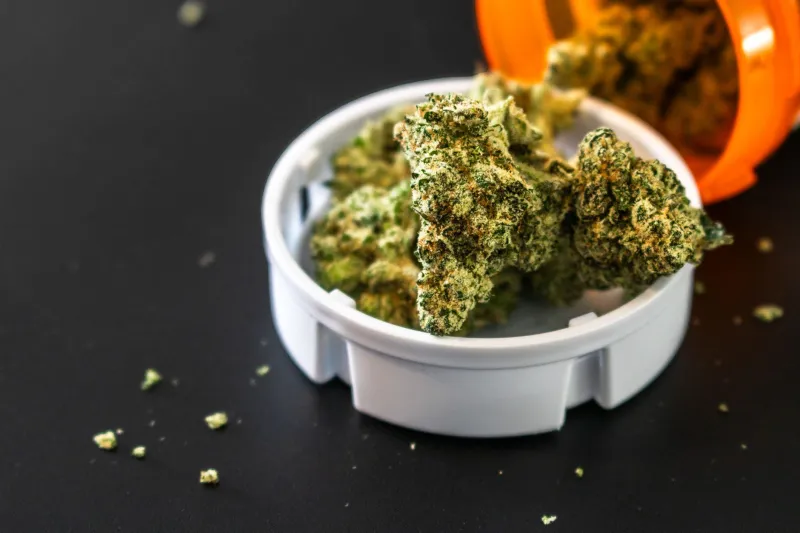
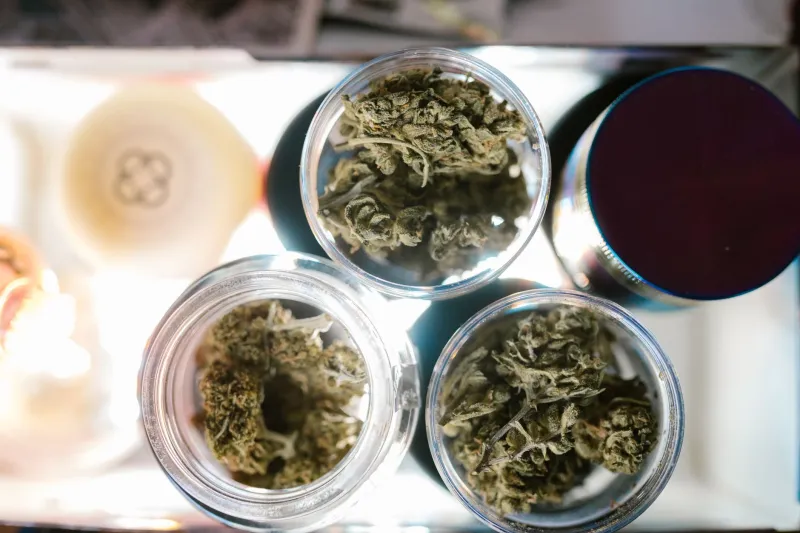
Here Today, Gone Tomorrow: The Real Reasons Your Favorite Strain Keeps Disappearing
You know the feeling. You spent months cycling through mediocre options, tolerating too-sedating indicas and too-racy sativas, until one day you found the one. Your budtender handed you a jar, you took one whiff, and something clicked. Perfect terpene profile, perfect potency, perfect price. You started buying it weekly. You told your friends. You maybe even bragged about it a little.
Then one Tuesday you walk in and it's gone. Not just out of stock — gone gone. The budtender shrugs. "Yeah, we haven't had that one in a while." No timeline, no explanation, no apology for ruining your week.
This happens constantly in legal cannabis markets across the US, and most consumers have no idea why. It's not random, and it's not personal. There's a whole ecosystem of supply chain quirks, licensing politics, and grower economics working against your loyalty to a particular cultivar. Let's break it down.
Cultivation Is Not Like a Factory
Here's the first thing to understand: cannabis grows in cycles, not on a conveyor belt. Even large commercial operations deal with harvest windows, cure times, and the basic biological reality that plants take time. A strain that was abundant in January might have had its grow cycle completed in October, and if the cultivator decided not to run another batch — whether due to yield issues, market demand signals, or just wanting to try something new — that product simply stops existing.
Outdoor and greenhouse grows add another layer. Seasonal light conditions affect terpene expression and cannabinoid content, which means even when a strain is available year-round, it might taste noticeably different in summer versus winter harvests. Some smaller craft growers only run certain genetics once or twice a year, which creates genuine scarcity — not manufactured hype, just biology.
The Licensing Labyrinth
Beyond the grow cycle, there's the regulatory side of things. Cannabis licensing in the US is a patchwork nightmare. Cultivators, processors, and dispensaries all operate under separate license types, and those relationships aren't always permanent. A dispensary might stop carrying a specific brand because their supply agreement lapsed, because the cultivator got bought out, or because one party failed a compliance inspection and had to pause operations while they sorted it out.
State-level regulations also restrict which cultivators can sell to which dispensaries. In some markets, smaller craft growers can't legally supply larger chain dispensaries without jumping through expensive certification hoops. So even if a small-batch grower in your state is still producing your beloved strain, your local shop might not be able to stock it anymore because of regulatory friction neither party can easily fix.
Grower Economics Are Brutal
Let's talk money, because that's usually the core issue. Growing cannabis at scale is expensive — labor, lighting, climate control, testing fees, packaging compliance, distribution costs. When wholesale cannabis prices drop (which they have dramatically in markets like Oregon, California, and Michigan over the past few years), cultivators have to make hard choices about which strains are worth running.
A strain with a complex terpene profile that requires extra attention during the grow, or one that produces lower yields per square foot, might just get cut from the lineup when margins get tight. The grower doesn't hate your favorite strain. They just can't afford to keep growing it when a simpler cultivar brings in the same revenue with half the effort. It's a business, and the economics are genuinely rough right now.
So What Do You Actually Do About It?
Okay, enough doom and gloom. Here's the practical stuff.
Build a Real Relationship With Your Budtender
This is the single most valuable thing you can do as a regular cannabis consumer. Budtenders often know weeks in advance when a product is about to run out or get discontinued. If you've been coming in regularly and chatting with the same staff, they'll tell you. They might even set aside a few units for you before a strain sells out.
Be specific about what you love. Don't just say "I like that Green Dream strain." Tell them why — the citrusy smell, the energetic-but-calm effect, the way it doesn't give you couch lock. That kind of detail helps a knowledgeable budtender find you something comparable.
Learn to Read Lab Reports for Terpenes
This is where the real matching happens. If you know your missing strain was high in myrcene and limonene with a touch of caryophyllene, you can walk into any dispensary and ask for something with a similar terpene fingerprint. The effects you loved weren't just about the name — they were about the specific chemical makeup of that particular batch.
Some dispensary websites now post full certificates of analysis (COAs) for their products. Get comfortable scanning those terpene panels. It's not complicated once you know the basic profiles: myrcene for that earthy, relaxing quality; limonene for mood lift and citrus brightness; pinene for mental clarity; linalool for a calming, almost floral effect.
Use Strain-Finding Apps and Community Resources
Apps like Leafly and Weedmaps let you search by strain genetics, effects, and terpene profile. They're not perfect — strain names are notoriously inconsistent across the industry — but they're useful for identifying cultivars with similar genetic lineage. If your beloved strain was a cross of, say, OG Kush and Durban Poison, you can search for other cultivars from those parent genetics and find reasonable stand-ins.
Reddit communities like r/Weed or state-specific cannabis subreddits are also gold. Someone in your city almost certainly knows which local dispensary is carrying something close to what you're looking for.
Ask About Upcoming Drops
Many dispensaries get advance notice of new inventory. If you're looking for something specific, ask the staff to flag it when similar products come in. Some shops even have text or email notification systems for new drops — worth signing up for if you're particular about what you consume.
Consider Exploring Craft and Small-Batch Producers
Larger commercial cultivators optimize for consistency and volume. Smaller craft growers often preserve more unusual or heritage genetics because they're not beholden to the same market pressure. If your state has a robust craft cannabis scene, exploring those smaller producers might turn up something genuinely special — and the growers are often more transparent about their genetics and grow methods.
The Bigger Picture
The frustrating truth is that strain loyalty in legal cannabis is a fragile thing. The industry is still young, regulations are still evolving, and the economics are still shaking out. Cultivators come and go, supply agreements shift, and licensing rules change faster than most consumers realize.
But here's the silver lining: the skills you build chasing your favorite strain — learning terpenes, building dispensary relationships, reading lab reports — make you a smarter, more satisfied cannabis consumer overall. You stop being dependent on a single product and start understanding why certain things work for you. That knowledge doesn't disappear when a strain does.
And honestly? Sometimes the replacement strain you grudgingly try ends up being better than the one you lost. It happens more often than you'd think.