What's in a Name? How Cannabis Strain Branding Plays Tricks on Your Brain
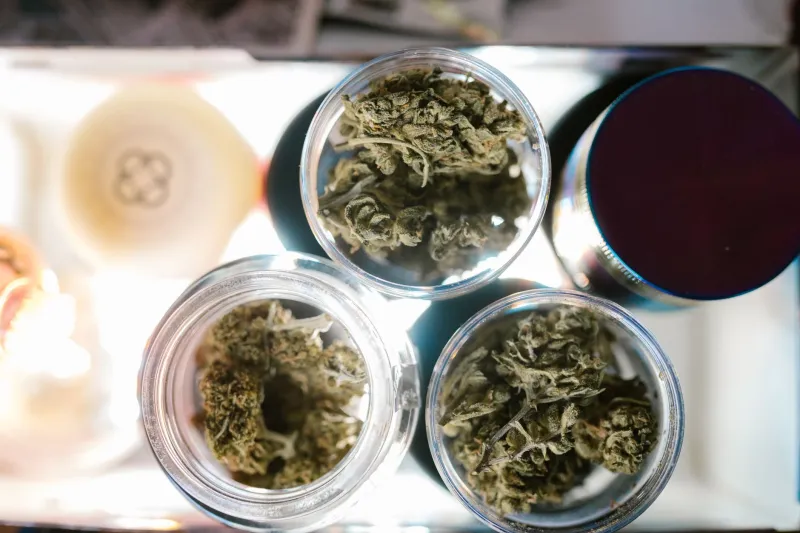
Picture this: you're standing at a dispensary counter, scanning a menu that reads like a cross between a dessert menu and a sci-fi novel. Zkittlez. Purple Punch. Cereal Milk. Runtz. You've never tried any of them. The budtender is waiting. And somehow, without smelling a single jar or reading a single lab report, you already have a favorite.
That's not a coincidence. That's branding.
The cannabis industry has quietly become one of the most sophisticated—and occasionally manipulative—naming machines in American consumer culture. And most shoppers have absolutely no idea it's happening.
The Psychology Behind the Name
Human brains are wired to use language as a shortcut. When you hear "Girl Scout Cookies," your brain doesn't just register a strain name—it fires off a cascade of associations. Warmth. Comfort. Nostalgia. Maybe a hint of indulgence. Before you've even asked about THC content, your emotional brain has already decided it likes this product.
This is what marketers call semantic priming, and the cannabis industry has figured out how to weaponize it beautifully. Names like "Gorilla Glue" suggest something powerful, sticky, and intense. "Blue Dream" promises exactly what it sounds like—something hazy, mellow, and a little ethereal. "Sour Diesel" practically makes your nostrils flare before you've opened the jar.
The names aren't random. They're engineered.
"We think about naming the same way a craft brewery thinks about naming a beer," says one cannabis brand consultant based in Denver who asked to remain anonymous because she still works with multiple licensed producers. "The name has to do emotional work before the product ever gets a chance to speak for itself. You want the customer to arrive at the shelf already halfway sold."
Does the Name Actually Mean Anything?
Here's where it gets complicated—and a little uncomfortable.
In a well-regulated, genetically consistent world, a strain name would function like a trademark. "Girl Scout Cookies" would reliably deliver the same cannabinoid profile, the same terpene expression, the same experience, every single time, no matter where you bought it. You'd know what you were getting.
We do not live in that world.
As this site has covered before, the cannabis industry's strain naming conventions are closer to the Wild West than to any kind of standardized system. Growers rename strains to avoid licensing fees. Dispensaries relabel slow-moving inventory with trendier monikers. Cultivators crossbreed genetics and slap a familiar name on something that shares maybe 40% of the original's DNA. "Gorilla Glue #4" has been sold under that name by dozens of different operations with wildly different results.
A budtender at a multi-state operator in Illinois put it bluntly: "Half the time, the name tells you more about whoever grew it or whoever's trying to sell it than it tells you about the actual weed. I've seen 'OG Kush' come in from three different vendors and they might as well have been three different plants."
Consumers are starting to catch on—slowly. Marissa T., a regular cannabis shopper in Los Angeles, says she used to buy almost exclusively based on names. "I'd see something called 'Strawberry Lemonade' and just assume it would be a nice, uplifting daytime thing. And sometimes it was. But I've also had 'Strawberry Lemonade' that knocked me out for four hours. Now I always ask for the terpene breakdown."
The Marketing Genius (and the Ethical Gray Area)
To be fair, creative strain naming isn't purely cynical. There's genuine artistry in it. The best names in cannabis function like great album titles—they set a mood, invite curiosity, and become part of the culture. "Pineapple Express" became a cultural touchstone before most people had ever tried it, thanks partly to the Seth Rogen film and partly to the fact that the name is just fun.
Brands like Cookies (the company behind the Girl Scout Cookies lineage) have built entire empires on the strength of evocative naming combined with legitimate genetic consistency. When Cookies releases a strain, there's at least some expectation that the genetics are what they say they are, because the brand has staked its reputation on it.
But for every Cookies, there are dozens of operations treating strain names like a costume—something you put on whatever product needs to move this week.
"It's the difference between a name that's earned and a name that's borrowed," says one retail buyer for a dispensary group in Michigan. "Some names carry real meaning because the genetics behind them are protected and documented. Others are just vibes. And the customer usually can't tell the difference from behind the glass."
The ethical gray area gets even murkier when you consider that certain names—particularly ones referencing Girl Scouts, trademarked candies, or other corporate brands—have caused real legal headaches and raised questions about who actually owns cannabis culture. The Girl Scouts of America famously pushed back on the "Girl Scout Cookies" name, and the strain's originators eventually began using the abbreviation "GSC" in more formal contexts.
What You Should Actually Be Looking At
So if the name is unreliable, what should guide your purchase?
Terpene profiles are your best friend. Myrcene tends toward sedation. Limonene skews energetic and uplifting. Caryophyllene has that peppery, stress-relieving quality. A dispensary that can hand you a terpene breakdown alongside a strain name is doing you a genuine service—and if they can't, that tells you something too.
Certified of Analysis (COA) documents from third-party labs are the other piece of the puzzle. They don't lie. They show you exactly what's in the product, without the poetic flourishes.
And honestly? Talk to your budtender. A good one will cut through the naming theater and tell you what a product actually does—not just what it's called.
Names Still Matter—Just Not the Way You Think
Here's the thing: even knowing all of this, strain names still serve a purpose. They're memory hooks. They make it easier to say "I want that one again" when you find something that works. They create community shorthand—when your friend texts you "just picked up some Mac 1," you both know roughly what that means, even if the actual experience varies by grower.
The problem isn't that names exist. The problem is when names substitute for information rather than supplementing it.
The cannabis industry is still young enough that norms are being written in real time. The best version of this industry—the one worth rooting for—is one where a strain name carries genuine, verifiable meaning. Where "Blue Dream" actually tells you something reliable about what's in the bag.
Until then, be a savvier shopper. Appreciate the creativity. Enjoy the theater. But don't let a clever name be the only reason you hand over $60.
Your brain deserves better than that. And frankly, so does your high.