Trust Your Nose: What Your Senses Can Tell You About Weed That a Lab Report Can't
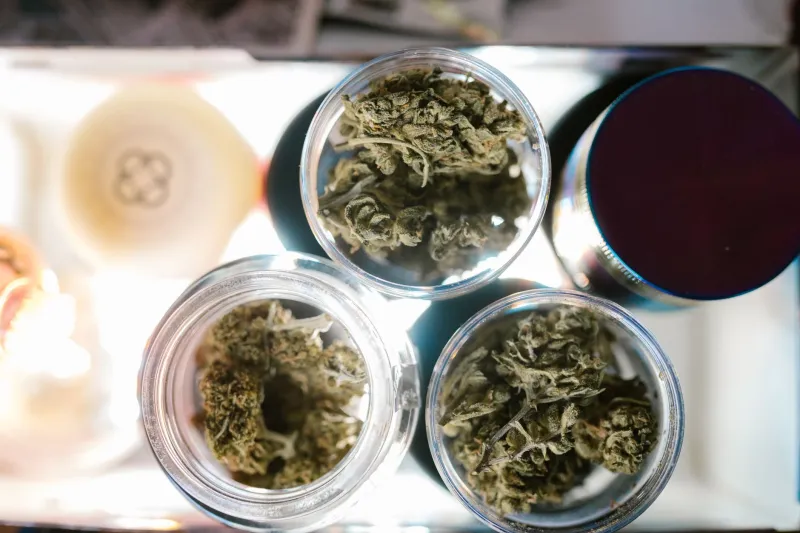
Walk into most dispensaries and you'll notice the ritual almost immediately. Someone leans over the jar, takes a long inhale, nods slowly like they just confirmed something important. Maybe that person is you. Maybe you've always wondered if that sniff actually means anything—or if it's just theater we've all collectively agreed to perform.
Here's the thing: it means something. Quite a lot, actually. And learning to decode what your nose is picking up is one of the more underrated skills a cannabis consumer can develop.
That said, there's a lot of mythology baked into how people talk about weed smells. So let's break it down honestly—what your senses can genuinely tell you, where they fall short, and how to use them alongside lab data rather than instead of it.
Why Smell Isn't Just Vibes
Terpenes are the volatile aromatic compounds responsible for cannabis's wildly varied smell profile—from the diesel funk of a classic Sour Diesel to the almost absurdly fruity sweetness of a well-grown Zkittlez. These aren't just nice-smelling extras. They're active compounds that interact with cannabinoids and your endocannabinoid system in ways that researchers are still mapping out.
The important thing for our purposes: terpenes are fragile. Heat, light, oxygen, and time all degrade them. A cannabis flower that smells intensely aromatic has almost certainly been handled with care—properly dried, cured, stored, and not sitting in a jar since the previous administration. A flower that smells faint, hay-like, or just generically "green" has lost significant terpene content, and with it, a meaningful chunk of its experiential value regardless of what the THC percentage says on the label.
So when you smell a jar and something jumps out at you—that sharp citrus, that earthy musk, that weirdly pleasant fuel note—you're getting real information. Your nose is detecting compound richness that correlates with freshness and quality of handling.
What Good Weed Actually Smells Like (And What It Doesn't)
There's no single "correct" smell for quality cannabis. A top-shelf indica and a primo sativa might smell completely different. What you're evaluating isn't the specific scent but the intensity and complexity of it.
High-quality flower tends to have layered aroma—you might catch something sharp upfront, then something earthier underneath, maybe a floral or spicy note if you really pay attention. It's the difference between a decent cup of drip coffee and a pour-over from a good roaster. Both are coffee. One has more going on.
Some smells are legitimate red flags:
- Hay or grass: Usually indicates a rushed or incomplete cure. The chlorophyll hasn't fully broken down. This isn't dangerous, but it's a sign of shortcuts in the growing or processing phase.
- Mildew or mustiness: This one's serious. A damp, musty smell can indicate mold or mildew. Not a "that's just how this batch smells" situation—this is a pass.
- Chemical or artificial sharpness: Occasional in concentrates processed with certain solvents, though reputable producers purge these out. In flower, an artificial smell that doesn't track with any natural terpene profile is worth questioning.
- Nothing at all: Not a red flag on its own, but worth noting. Old flower or flower stored poorly loses its aroma. If it smells like very little, it probably is very little, regardless of the THC number.
The Myth of "Smells Strong = Gets You Higher"
Let's address this directly because it comes up constantly. Intense smell does not equal high potency. Terpene content and THC content are related but not the same thing, and they don't scale together in any reliable way.
You can have a beautifully aromatic flower at 16% THC that delivers a more complex, satisfying experience than a nearly odorless 28% flower that was poorly cured and stripped of its terpene profile. The smell tells you about the fullness of the product—its aromatic richness, its freshness, the care that went into it. It does not tell you how hard it's going to hit.
This is where lab results genuinely do matter. If potency is your primary goal, the COA is your friend. But if you're chasing a particular kind of experience—a specific mood, effect profile, or sensory quality—terpene data (when available on the lab report) combined with your own nose is actually the better guide.
Beyond Smell: The Full Sensory Evaluation
Since we're here, let's go beyond the nose.
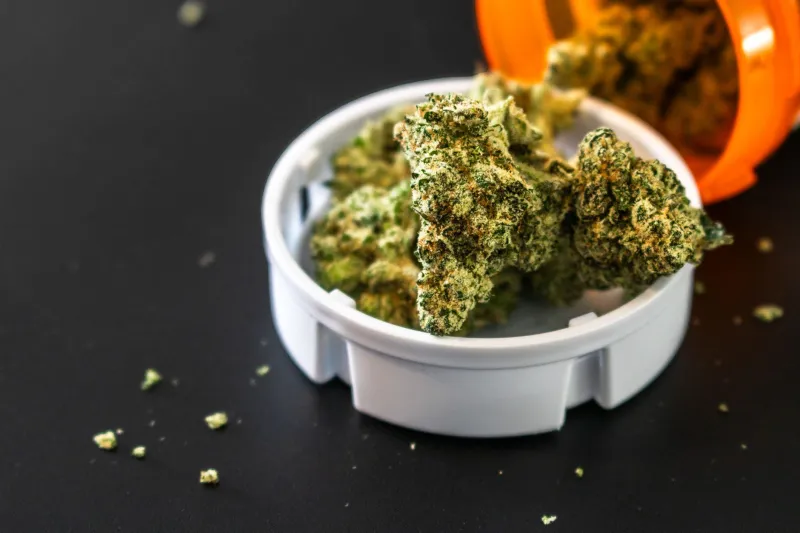
Appearance: Quality flower has visible trichome coverage—that frosty, almost crystalline look that catches light. Color should be vibrant, not brown or grey. Some brown is normal in certain strains, but uniform browning usually signals age or poor storage. Look for intact structure; flower that's been manhandled crumbles and loses trichomes.
Texture: The ideal is slightly sticky but not wet—springy when gently pressed, not bone dry and crumbling. Dry flower burns harsh and fast. Overly moist flower burns unevenly and can harbor mold. If a budtender lets you touch it (some do, some don't), pay attention to how it feels.
Stem snap test: Old school but still relevant. A properly cured stem should snap cleanly rather than bend. Bending suggests too much moisture. Snapping to dust suggests too little.
How to Actually Use This at the Dispensary
Most dispensaries will have at least some jars available to smell. Don't be shy about asking. A good budtender expects this and honestly respects customers who engage with the product rather than just pointing at the highest THC number on the menu board.
When you smell, take your time. Don't just hover over the jar for half a second and move on. Breathe normally for a moment to reset your palate, then take a slow, intentional inhale from the jar. Notice what hits first. Notice if anything develops. Notice if it fades quickly or lingers.
Ask the budtender what terpenes are dominant if they know. Cross-reference that with what your nose is picking up. Over time, you'll start to associate specific scents with specific compound profiles, and your ability to predict your own experience before buying will sharpen considerably.
Lab Data and Your Nose: Better Together
None of this is an argument against lab testing. COAs exist for good reasons—safety, consistency, accountability. They tell you things your senses literally cannot, like pesticide levels, residual solvents, or microbial contamination. Always buy from dispensaries that make lab results accessible.
But lab data has limits. It's a snapshot. It doesn't tell you how the flower was stored after testing, how long it's been sitting, or whether the batch you're buying matches the tested batch exactly. Your senses, applied thoughtfully, fill some of those gaps in real time.
Think of it this way: the lab report is the nutrition label. Your nose is the taste test. You need both to really know what you're getting.
Developing sensory literacy around cannabis takes a little practice, but it's genuinely one of the more satisfying parts of being a thoughtful consumer. The more you pay attention, the more you'll catch—and the less often you'll end up disappointed by something that looked great on paper but fell flat in the jar.