The Number on the Label Is Only Half the Story: What THC Percentages Actually Tell You
Photo: Cgcizek, CC BY-SA 4.0, via Wikimedia Commons
Walk into any dispensary in the country and watch what happens at the counter. Customers scan the labels. Eyes drift to the THC percentage. Decisions get made. Higher number, better product. That's the logic, and it's almost entirely wrong.
The cannabis industry has a lab report problem. Not because testing is bad — mandatory testing is genuinely one of the best things that came out of legalization — but because the industry has allowed a single number to carry more weight than the entire system behind it can support. Consumers are making purchasing decisions based on a data point that, without context, tells you shockingly little about what you're actually going to experience.
Let's break down exactly why that number on the jar is only half the story — and what questions you should actually be asking.
How Cannabis Gets Tested (And Where It Goes Wrong)
In regulated markets, cannabis products are tested by third-party labs before they hit the shelf. The lab receives a sample, runs it through high-performance liquid chromatography or gas chromatography, and produces a certificate of analysis showing cannabinoid content, terpene profiles, and contaminant screenings.
Sounds rigorous. Here's the catch: the sample the lab receives is a small portion of a larger batch, and cannabis is not a uniform product. A single plant can have meaningfully different cannabinoid concentrations across its canopy. The dense top cola and the lower popcorn buds are not the same product chemically, even if they're trimmed and jarred together. Labs typically receive a composite sample, but how that sample is pulled and how representative it actually is varies enormously.
There's also a well-documented industry phenomenon sometimes called lab shopping, where producers send samples to multiple testing facilities and submit results from the one that returns the highest numbers. This isn't illegal in most states. It's just how the market works when high THC percentages command premium prices.
Batch Variation Is Real and It's Bigger Than You Think
Even setting aside sampling issues, the same strain grown by the same cultivator in consecutive harvests will not produce identical lab results. Light cycles, humidity, feeding schedules, the specific phenotype of the plant that cycle, harvest timing — all of it affects the final cannabinoid profile.
A batch labeled 26% THC this month might come in at 22% next month from the same brand, same strain, same packaging. The label will still say 26% because it's reporting the results of that specific tested batch, not a consistent product standard.
This matters because consumers who find something they like and come back for it are often buying a product that's chemically different from what they originally responded to. The name is the same. The number might be similar. The actual terpene expression, the minor cannabinoid ratios, the physical structure of the flower — all potentially different.
Growing Conditions Don't Fit on a Label
Here's the part that really gets lost in the label conversation: how cannabis was grown has a profound effect on the experience it produces, and almost none of that information is required on packaging.
Soil-grown cannabis tends to produce a more complex terpene profile than hydroponically grown plants, partly because the microbial diversity in living soil contributes to the plant's stress responses and secondary metabolite production. Outdoor and greenhouse grows expose plants to UV light that indoor artificial lighting doesn't fully replicate, which affects cannabinoid synthesis in ways researchers are still mapping.
Harvest timing is particularly significant. THC degrades into CBN as the plant matures past peak ripeness. A cultivator who harvests slightly early to preserve terpenes will produce a different product than one who waits for maximum THC development. Neither approach is wrong — they're just different — but the label won't tell you which one you're holding.
Curing matters too. A slow, properly managed cure preserves terpenes and allows enzymatic processes to continue refining the flower's chemical profile. A rushed cure — common when supply chains are stressed — can degrade the very compounds that make a strain interesting. You can sometimes smell the difference. The label never reflects it.
What You Should Actually Be Asking About
Instead of leading with THC percentage, consider shifting your questions toward information that actually predicts experience.
Terpene content and profile. Many dispensaries now carry full terpene data on their COAs. Myrcene, limonene, caryophyllene, linalool — these compounds interact with your endocannabinoid system and influence the character of the high in ways that raw THC percentage doesn't capture. A 22% flower with a rich terpene profile will often outperform a 28% flower with almost no terpene presence.
Cultivation method and source. Ask where it was grown. Ask if it's small-batch or large-scale commercial. This isn't snobbery — it's relevant information about how much attention went into the product.
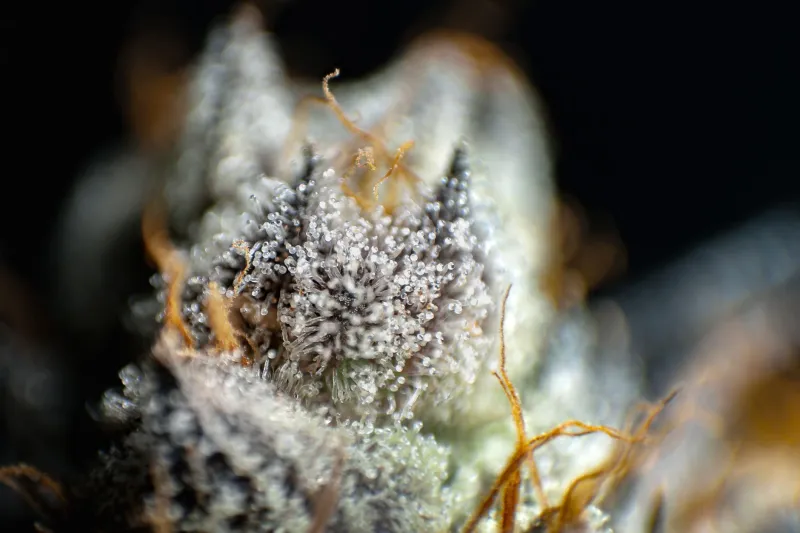
How it looks, feels, and smells. Your senses are legitimate data. Sticky, aromatic, dense flower with visible trichomes is telling you something real. Dry, crumbly, odorless flower is also telling you something real, regardless of the number on the jar.
Harvest and cure date. Not every dispensary has this, but it's worth asking. Cannabis that's been sitting in a warehouse for eight months before hitting the shelf has degraded from whatever the lab report promised.
The Market Incentive Problem
None of this is accidental. The cannabis industry defaulted to THC percentage as the primary consumer metric because it's a simple number that's easy to market and easy to charge a premium for. It mirrors how alcohol markets ABV, except that the relationship between THC percentage and subjective effect is far more complicated than the relationship between alcohol percentage and intoxication.
Until consumer demand shifts — until people start asking harder questions at the counter — there's no market pressure to change the labeling model. The dispensaries that do lead with terpene data and cultivation transparency tend to attract more educated buyers, but they're still the minority.
You don't have to be an expert to be a better consumer. You just have to stop letting one number make the decision for you.