Four Seasons, Four Rotations: Building a Cannabis Lineup That Actually Matches the Year
There's a version of cannabis consumption that most of us default to: find what works, buy it repeatedly, repeat indefinitely. Maybe you've got your go-to flower, your reliable vape cart, your trusted edible brand. Consistency has its appeal. But consider this — you probably don't eat the same food in August that you eat in December. Your wardrobe rotates. Your activity level shifts. Your sleep schedule, your social calendar, your general emotional weather all change with the seasons.
So why is your cannabis rotation frozen in time?
Seasonal cannabis isn't a gimmick. It's an extension of something wellness-minded people have understood for centuries: that what serves your body and mind in one season may actively work against you in another. Applied to cannabis, this means thinking about terpene profiles, cannabinoid ratios, consumption formats, and timing in ways that align with where you actually are in the year.
Spring: Shake Off the Fog
After months of shorter days, heavier food, and the particular inertia that winter tends to produce, spring is a physiological and psychological reboot. Daylight returns. Energy comes back online. The instinct to move, plan, and engage reactivates. Your cannabis choices should support that shift, not work against it.
This is the season for terpene-forward, energizing profiles. Limonene — the terpene responsible for the bright, citrusy smell in strains like Super Lemon Haze or Durban Poison — has demonstrated mood-elevating and stress-reducing properties in research settings. It's a natural fit for the optimistic, forward-moving energy of spring.
Terpinolene, another underappreciated compound found in strains like Jack Herer and Dutch Treat, is associated with uplifting, cerebral effects that pair well with creative work, outdoor activity, and social engagement. Spring hiking, backyard projects, farmers market mornings — terpinolene-dominant strains are built for this.
On the cannabinoid side, spring is a good time to keep THC moderate and let the terpene complexity do more of the heavy lifting. A 16–20% THC flower with a rich, varied terpene panel will often deliver a more functional, enjoyable daytime experience than a 30% THC isolate-adjacent product that puts you on the couch.
Format-wise, spring favors lighter delivery methods. Vape pens with quality live resin or rosin cartridges, or a small pipe loaded with well-cured flower, fit the season better than heavy edibles or high-dose concentrates.
Summer: Lean Into the Energy (But Mind the Heat)
Summer cannabis culture in America is practically its own genre — music festivals, beach days, backyard barbecues, late sunsets, and the particular expansiveness that comes with long, warm days. The consumption context is social, active, and often outdoor. Your strain selection should reflect that.
The terpenes to prioritize in summer are the energetic and social ones. Ocimene, found in strains like Strawberry Cough and Golden Goat, is associated with uplifting, talkative effects that complement social settings. Beta-caryophyllene — technically a cannabinoid as well as a terpene, since it binds to CB2 receptors — has anti-inflammatory properties that are worth considering if summer means physical activity and the occasional sore muscle.
One summer-specific caution: heat and cannabis have a complicated relationship. Smoking outdoors in 95-degree weather, especially with physical exertion, can amplify the cardiovascular effects of THC and contribute to overheating. Consider edibles or beverages for high-heat situations — cannabis-infused sparkling water and low-dose gummies have become genuinely good options for staying functional in summer conditions without the respiratory and temperature complications of smoking.
Stay away from heavy, sedative profiles in summer unless you're specifically looking for a lazy afternoon nap situation. Myrcene-dominant strains that knock you sideways are better saved for when the days get shorter.
Fall: The Transition Window
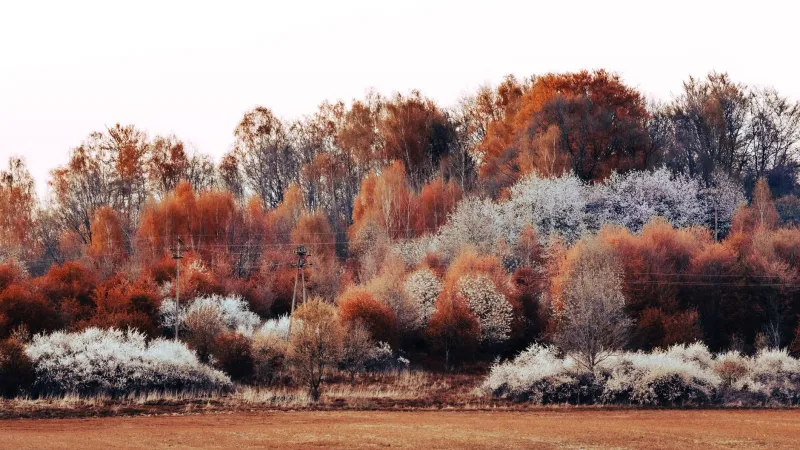
Fall is the most interesting season for cannabis because it's genuinely transitional. Days shorten. Temperatures drop. The social pace slows. There's a natural pull toward introspection, toward home, toward the comfort of familiar rituals. Cannabis consumption in fall tends to become more intentional and less incidental.
This is the season to start bringing in more balanced profiles — strains that can serve both an active afternoon and a reflective evening. Caryophyllene-linalool combinations are worth exploring here: caryophyllene's anti-anxiety, anti-inflammatory properties pair well with linalool's calming, slightly sedative character to produce something that's grounding without being flattening.
Fall is also a great time to experiment with full-spectrum CBD products alongside your THC consumption. As ambient stress tends to rise in the back half of the year — work deadlines, holiday planning, the general weight of the news cycle — having a CBD-forward option in your rotation gives you a tool for edge management without adding to your THC intake or tolerance.
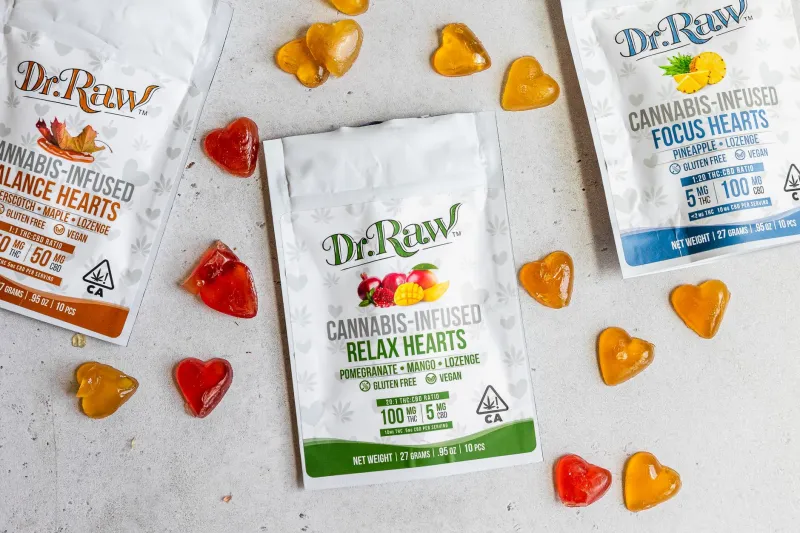
Edibles make more sense in fall as a primary format. When you're inside more, cooking more, and slowing down more, the longer onset and extended duration of an edible fits the rhythm of the season better than a quick vape hit.
Winter: Lean Into the Dark
Winter is not the enemy of cannabis — it's actually the season where a thoughtful rotation can provide the most genuine benefit. Shorter days and reduced sunlight affect mood regulation for a significant portion of the population. Physical activity often drops. Social isolation can creep in. The right cannabis choices can support rest, creativity, and emotional warmth during a season that can feel heavy.
Myrcene takes center stage in winter. This terpene — found abundantly in strains like Granddaddy Purple, Blue Dream, and OG Kush — is associated with sedative, body-relaxing effects that complement a season built around early nights and recovery. If there was ever a time to appreciate a genuinely couch-lock-adjacent experience, it's a January evening with nowhere to be.
Linalool, mentioned above in the fall context, becomes even more relevant in winter as a tool for managing seasonal mood dips. Its presence in strains like Lavender Kush and Amnesia Haze (yes, both) makes those options worth exploring for evening relaxation.
Winter is also the season to think about how cannabis fits into your sleep routine. Consistent, quality sleep is one of the most important variables in winter wellness, and certain cannabinoid-terpene combinations can genuinely support it — particularly CBN-forward products combined with myrcene and linalool-dominant flower.
The Bigger Picture
Building a seasonal rotation isn't about following a rigid prescription. It's about developing awareness — of your own patterns, your body's rhythms, and the ways that different cannabis profiles interact with your environment and goals. The plant is varied enough to support almost any season and any mood. The question is whether you're paying attention to what it's offering.
Next time you're at the dispensary, try asking your budtender what's in the terpene profile before you ask about the THC percentage. Tell them what season it is and what you're trying to feel. You might be surprised how far that conversation goes.