Quitting Weed Is Harder Than They Said: A Honest Look at Cannabis Withdrawal

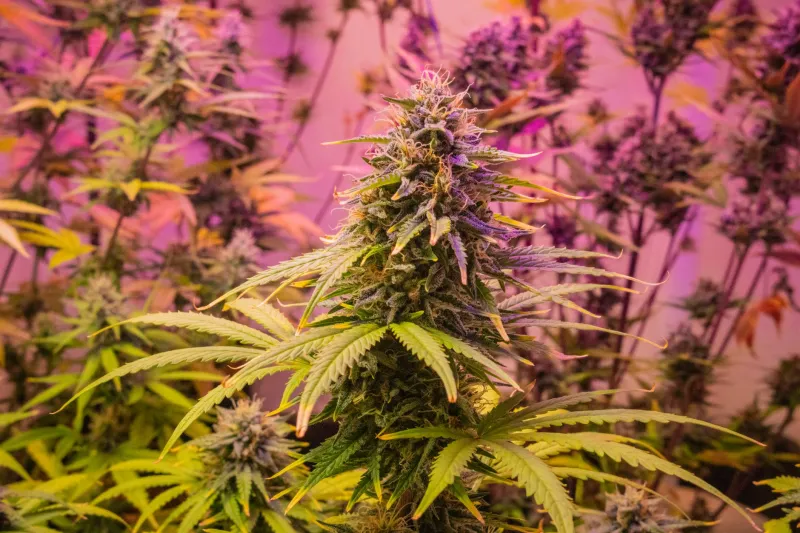
Photo by Photo by Marjan Blan on Unsplash on Unsplash
There's a persistent myth floating around cannabis culture that weed isn't addictive and quitting it is no big deal. Light up, put it down, no problem. If only it were that simple for everyone.
The truth? For casual weekend smokers, stopping might genuinely be a non-event. But for daily consumers—especially those who've been using consistently for months or years—putting cannabis down can come with a real, documented set of physical and psychological symptoms that catch a lot of people completely off guard.
This isn't a scare piece. We're not here to tell you weed is dangerous or that you need to quit. At Mr. Weed, we believe cannabis use is a personal health decision, full stop. But we also believe you deserve honest, evidence-based information so you can navigate your relationship with cannabis on your own terms. If you're thinking about taking a break—whether it's for a job, a health reset, or just curiosity—here's what you might actually face.
What's Really Going On in Your Brain
Cannabis withdrawal is recognized by the DSM-5, the diagnostic bible used by mental health professionals across the US. It's called Cannabis Withdrawal Disorder, and it affects an estimated 12% of all cannabis users—though that number climbs significantly among daily consumers.
Here's the basic science: THC, the primary psychoactive compound in cannabis, binds to cannabinoid receptors throughout your brain and nervous system. With regular use, your brain starts to downregulate its own endocannabinoid production and receptor sensitivity. Essentially, it adapts to expect the external supply. When that supply disappears, your nervous system has to recalibrate—and that process isn't always comfortable.
This isn't a character flaw or a sign of weakness. It's just biology.
The Symptom Lineup: What to Actually Expect
Symptoms vary widely depending on how much you used, how long you used, and your individual physiology. That said, the most commonly reported withdrawal experiences include:
Sleep disruption — This one hits almost everyone who quits after heavy use. Vivid, sometimes unsettling dreams are extremely common, especially in the first two weeks. Cannabis suppresses REM sleep, so when you stop, your brain essentially overcorrects, flooding you with dream activity. It's disorienting but temporary.
Irritability and mood swings — Short tempers, low frustration tolerance, and a general sense of being emotionally raw are hallmark symptoms. The days two through five post-quitting tend to be the roughest for most people.
Anxiety — For many users, cannabis was doing some of the anxiety management work. When it's gone, that underlying anxiety can resurface—sometimes more intensely than before. This is worth paying attention to, especially if anxiety was a core reason for your use.
Appetite changes — THC is a well-known appetite stimulant. Without it, many people experience reduced hunger or nausea during the first week. Don't be alarmed if food sounds less appealing than usual.
Physical discomfort — Sweating, headaches, chills, and general restlessness are reported by a meaningful portion of heavy users. These symptoms are rarely severe but can make the first few days feel like a mild flu.
The Timeline: When Does It Get Better?
Here's the reassuring part. Cannabis withdrawal is time-limited. Unlike alcohol or opioid withdrawal, which can be medically dangerous, cannabis withdrawal is uncomfortable but not physically hazardous.
A general timeline looks like this:
- Days 1–3: Symptoms begin to emerge. Irritability and sleep issues typically kick in first.
- Days 4–7: Peak discomfort. This is the hardest stretch for most people.
- Days 8–14: Gradual improvement. Sleep starts normalizing, mood stabilizes.
- Weeks 3–4: Most acute symptoms resolve. Some people experience lingering mood variability or sleep irregularities.
- One month+: For most users, withdrawal is largely behind them. Psychological cravings may persist longer, particularly in response to habit-linked triggers.
Heavy, long-term users may experience a longer recovery arc, but the trajectory is still reliably upward.
Practical Strategies That Actually Help
Knowing what's coming is half the battle. Here are approaches that can meaningfully ease the process:
Taper instead of quitting cold turkey. Gradually reducing your consumption over one to two weeks before stopping completely can significantly blunt withdrawal intensity. This isn't a cop-out—it's harm reduction.
Protect your sleep environment. Keep your bedroom cool and dark. Avoid screens before bed. Consider melatonin or magnesium glycinate to support sleep quality during the transition period.
Move your body. Exercise is one of the most effective tools for managing irritability and anxiety during withdrawal. Even a 20-minute walk can shift your neurochemistry in meaningful ways.
Don't isolate. Withdrawal is easier when you're not white-knuckling it alone. Tell someone you trust what you're doing. Community—even just a text thread with a friend—matters.
Identify your triggers. If you typically smoked after dinner, during certain social situations, or when stressed, those moments will pull hard. Having a plan for each trigger dramatically improves your odds of riding them out.
Give yourself grace. You're not broken for finding this hard. You're just human.
A Note on When to Talk to a Professional
For most people, cannabis withdrawal is manageable without medical intervention. But if you're experiencing severe anxiety, depression, or symptoms that feel unmanageable, please reach out to a healthcare provider. There's no shame in getting support, and in some cases, short-term interventions can make the process significantly more tolerable.
If underlying mental health conditions were part of why you were using heavily in the first place, this is an especially good time to connect with a therapist or counselor.
The Bottom Line
Cannabis withdrawal is real, it's documented, and it's more common than the culture often acknowledges. But it's also finite, manageable, and survivable—even for heavy daily users. Whether you're taking a T-break, doing a health reset, or making a longer-term change, going in with accurate expectations is the single most powerful thing you can do.
Know what's coming. Have a plan. And remember: the discomfort is temporary. The clarity on the other side is yours to decide what to do with.