One Puff Shouldn't Be This Complicated: The Messy Truth About Cannabis Microdosing
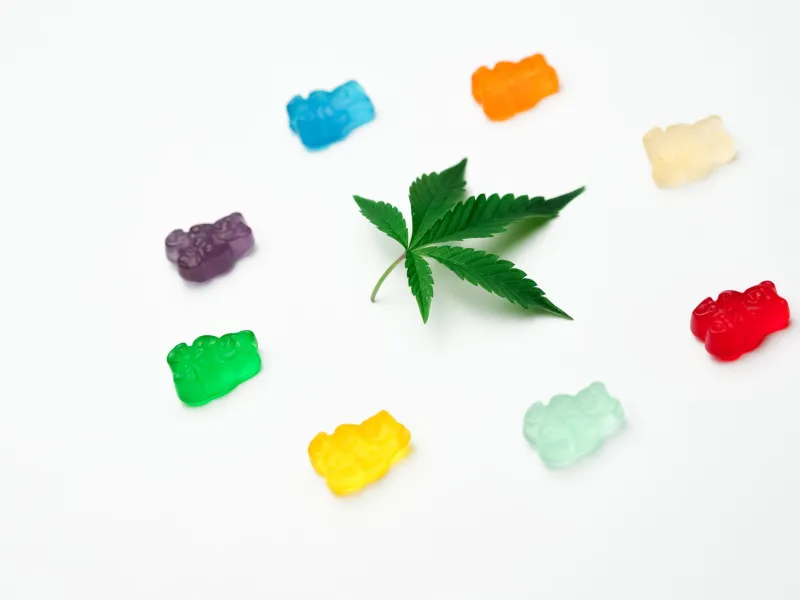
Somewhere between the wellness crowd posting about "functional highs" and your buddy who swears two milligrams of THC changed his morning routine, microdosing cannabis became the cool thing to do. It sounds beautifully simple: take less, feel less, stay functional. Grab a tiny edible, take one polite little puff, and cruise through your day with just a slight creative edge.
Except it rarely works out that cleanly. And if you've ever tried to microdose only to end up either completely sober or way more stoned than you wanted, you already know the frustrating truth—less weed doesn't automatically mean a lighter experience.
What "Microdosing" Actually Means (And What People Think It Means)
The term got borrowed from the psychedelic community, where microdosing typically means taking roughly one-tenth of a standard dose—enough to feel a subtle shift without a full-blown trip. When cannabis culture adopted the concept, it got a little fuzzy. Ask ten people what a cannabis microdose is, and you'll get ten different answers. Some say it's 1–2mg of THC. Others insist 5mg is a microdose. Your dispensary's packaging probably calls 10mg a "single serving," which is already a lot for plenty of people.
That inconsistency isn't just semantics. It's the first reason microdosing goes sideways: there's no universal baseline. A dose that barely registers for a daily smoker might send a casual consumer into full couch-lock territory.
Your Endocannabinoid System Doesn't Care About Your Plans
Here's where biology comes in and complicates everything. Your endocannabinoid system—the network of receptors THC actually binds to—is deeply personal. The density of those receptors, how sensitive they are, and how efficiently your body metabolizes cannabinoids are all largely determined by genetics. Some people have naturally higher CB1 receptor density, which means even small amounts of THC hit hard and fast. Others have fewer receptors or produce more of their own endocannabinoids, which can mute the effect entirely.
Then there's the enzyme CYP2C9, which plays a major role in how quickly your liver breaks down THC. Some people are "fast metabolizers," clearing the compound quickly, which can mean a short, mild experience. Others are slow metabolizers, and for them, even a conservative dose can build up and hit way later and stronger than expected. This is a huge reason edibles are so notoriously unpredictable—you can't feel the slow metabolizer effect coming until it's already arrived.
The point is: your biochemistry is running its own program, and it didn't get the memo that you only wanted a gentle buzz.
Why "Just Smoke Less" Often Backfires
Inhaling cannabis is tricky to microdose because the delivery method itself is imprecise. Taking one puff from a joint or a bowl introduces a variable amount of THC depending on how deep you inhale, how long you hold it, the potency of the flower, and even how recently you last consumed. A 25% THC flower isn't delivering 25% THC per puff—it's delivering an inconsistent fraction of that, modified by combustion efficiency and your own lung capacity.
Vaporizers are somewhat better because temperature control affects which compounds volatilize, but they're still not precise instruments. And here's the counterintuitive part: when you smoke less frequently or in smaller amounts, you may actually become more sensitive to THC over time. That tolerance reset you did last month? It might mean your one-puff microdose hits harder now than it did before your break. The dose stayed the same; your receptors changed.
There's also the biphasic effect to consider. Cannabis—particularly THC—behaves differently at different dose levels. Low doses can produce alertness, creativity, and mild euphoria. But push past your personal threshold, even slightly, and the same compound can cause anxiety, sedation, and cognitive fog. The line between "just right" and "too much" is narrow and varies from session to session.
The Formats That Actually Give You More Control
If you're serious about microdosing, format matters more than almost anything else. Here's how the common options stack up:
Low-dose edibles are probably your best bet for consistency—but only if you start with products specifically designed for it. Look for edibles dosed at 2.5mg or 5mg of THC per piece, not products where you're supposed to eat "half a gummy" that was originally 20mg. Precision matters. Brands like Kiva's Petra mints (1mg per mint) or various 2.5mg options at your local dispensary exist specifically for this purpose.
Tinctures are underrated for microdosing. Sublingual drops absorb faster than edibles and are far easier to measure. A calibrated dropper lets you adjust by fractions of a milligram. Start with 1–2mg, wait a full hour before deciding anything, and adjust from there.
High-CBD, low-THC products are worth exploring if your goal is functional calm rather than any psychoactive effect. CBD can modulate how THC affects you, and a balanced 1:1 ratio product might be the nuanced middle ground you've been looking for.
One-hitters and chillums aren't precise, but they're better than a bowl or joint for controlling volume. If you're going the flower route, a dry herb vaporizer at a lower temperature setting (around 350°F) gives you more control over what you're actually inhaling.
Building a Microdose Practice That Actually Works
The biggest mistake people make is treating microdosing as a one-time experiment rather than a calibration process. Your ideal microdose isn't something you find on a Reddit thread—it's something you figure out through methodical self-observation.
Start lower than you think you need to. Seriously. If you've never tried a 1mg edible, start there. Keep a simple log: what you took, when you took it, what you ate beforehand, and how you felt 30, 60, and 90 minutes later. Fasting significantly increases absorption of THC, so a microdose on an empty stomach can feel like a full dose an hour later.
Give yourself at least two to three sessions at any given dose level before adjusting. One data point isn't enough because stress levels, sleep quality, and even hydration all affect how cannabis hits on any given day.
Also, be honest with yourself about what you're actually looking for. If "microdosing" is just a socially acceptable way to describe getting high at work, that's a different conversation. But if you genuinely want the subtle cognitive and mood benefits without impairment, the approach above—low-dose, precisely measured, consistently timed—is the closest thing to a reliable system that exists right now.
The Bigger Picture
Microdosing cannabis is genuinely useful for a lot of people. It's helped folks manage anxiety, ease into creativity, and find a relationship with cannabis that doesn't involve getting fully stoned every time they consume. But the wellness-y marketing around it has created unrealistic expectations—like it's as simple as eating half a gummy and floating through your Tuesday.
Your body is the wild variable nobody can fully account for. The best approach is curiosity, patience, and a willingness to treat finding your microdose as a process rather than a quick fix. Take it slow, stay curious, and don't be too hard on yourself when it takes a few tries to get it right. That's not failure—that's just how personal cannabis really is.