How Dispensaries Engineer Your Wallet: The Checkout Psychology Nobody Warns You About
You walked in for a quarter of your go-to flower and maybe a cartridge. You walked out with those two things plus a mystery edible, a lighter you didn't need, and a "deal" on a pre-roll five-pack that felt too good to pass up. Your total? About forty bucks more than you planned.
Sound familiar? That's not a coincidence. That's design.
Modern dispensaries—especially the multi-state operators that have basically turned cannabis retail into a science—have gotten extremely good at engineering the path between your intentions and your credit card. They're pulling from decades of consumer psychology research, borrowing tricks from grocery stores, fast food chains, and yes, casinos. And the average cannabis shopper, even seasoned ones, walks right into it every single time.
Let's break down exactly how it works.
The Counter Is a Billboard You Don't Realize You're Reading
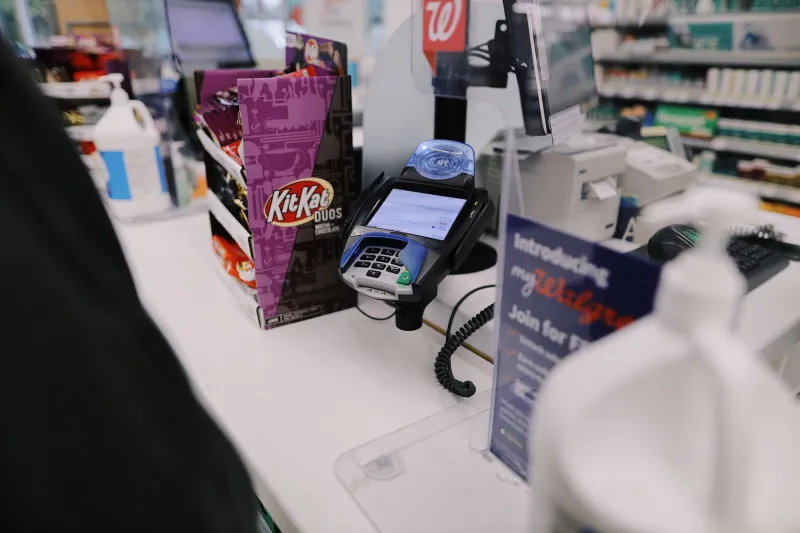
Everything within arm's reach of the checkout counter is there on purpose. Those single pre-rolls standing upright in a little display? The mini gummies in colorful packaging sitting at eye level? The "staff pick" cartridge with a handwritten card next to it? Placement like that costs brands money—sometimes in the form of slotting fees paid directly to the dispensary—and it's specifically chosen because research shows that items in the customer's visual field during the payment process convert at dramatically higher rates than items anywhere else in the store.
It's the exact same reason candy bars live at the grocery store checkout. The strategy is ancient. Cannabis retail just adopted it quietly, without most consumers realizing the game had started.
One budtender at a licensed shop in Colorado, who asked to remain anonymous, put it bluntly: "We're trained to mention at least one add-on during every transaction. Usually something small—a lighter, a doob tube, a single pre-roll. Management tracks it. It's not evil, but it's definitely intentional."
Limited-Time Urgency: The Oldest Trick in Retail
You've seen the signs. "Today Only." "While Supplies Last." "Flash Deal: 20% Off Concentrates Until Close."
These aren't just sales. They're psychological triggers designed to short-circuit your decision-making process. When your brain perceives scarcity or a closing window of opportunity, it shifts from deliberate thinking into reactive mode. You stop asking do I actually need this? and start asking what if I miss out?
Dispensaries have gotten savvy about timing these offers strategically—often announcing them via text or app notification right before peak shopping hours, or displaying them prominently at the register where you're already in spending mode. The deal might be real. The urgency, though? That's manufactured.
A good rule of thumb: if you wouldn't have wanted that product before you saw the flash deal, the discount isn't saving you money. It's just making you spend money you weren't going to spend.
The Bundle Trap: More for Less (Sort Of)
Bundles are one of the most effective upsell tools in cannabis retail, and they're everywhere. Buy two eighths, get a pre-roll free. Spend $75 and unlock a mystery bag. Purchase any vape kit and get 10% off your first cartridge.
Here's the thing about bundles: they're almost always structured so that the "bonus" item only makes sense if you were already going to spend near that threshold anyway. When you stretch your purchase to hit a bundle minimum, you're not saving money—you're spending more to get a discount on something you may not have wanted in the first place.
That said, bundles aren't inherently predatory. If you genuinely use everything in the offer, they can be solid value. The question is whether the bundle fits your actual consumption habits, or whether you're buying into a fantasy version of yourself who will definitely finish that second eighth before it dries out.
Digital Menus and the Scroll Spiral
More dispensaries are moving toward tablet-based or app-driven ordering, which sounds convenient but introduces a whole new set of behavioral nudges. Algorithms can surface "recommended" or "trending" products based on your purchase history, similar to how Netflix keeps you watching or Amazon keeps you buying.
Sponsored product placements exist in digital menus too. That strain appearing at the top of your search results may be there because the brand paid for visibility, not because it's the best match for what you're looking for. Always scroll past the first few results. Look at the full category before you commit.
What Budtenders Actually Think (When They're Being Honest)
Budtenders are generally good people who like weed and want to help you find something you'll enjoy. But they're also employees with sales metrics, upsell quotas, and managers watching transaction averages. That tension is real.
"I genuinely try to match people with what they need," said a budtender at a California dispensary. "But yeah, we have daily goals. If I can mention a new product or a sale item during the conversation, I'm supposed to. Most of us try to do it in a way that's actually helpful, but I'd be lying if I said it was purely about the customer."
Knowing this doesn't mean you should distrust your budtender—it means you should come in with a clear ask and be comfortable saying no thanks. A good budtender will respect that immediately.
How to Actually Stick to Your Budget
None of this means you're powerless. A few practical moves can protect your wallet without making every dispensary run feel like a negotiation:
Write your list before you go. Sounds basic because it is. Customers who arrive with a specific list—written down, not just in their head—spend significantly less on impulse items. Treat it like a grocery run.
Set a hard dollar limit and tell the budtender upfront. Something like "I'm working with $50 today" changes the entire conversation. It signals that you're not in upsell territory, and most budtenders will respect it and work within your budget.
Pause before the register. Literally take five seconds before you confirm your order and ask yourself: is everything in this bag something I came in for? If not, what's the actual reason you're buying it?
Ignore the checkout display. Don't pick things up. Don't read the labels. Treat the counter merchandise like it doesn't exist until you've paid for your planned items.
Audit your receipts. Once a month, look back at what you actually bought versus what you intended to buy. Patterns reveal themselves fast, and awareness is genuinely the best budget tool.
The Bigger Picture
None of this is unique to cannabis. Retail psychology is everywhere, and dispensaries are just catching up to what grocery chains and big-box stores figured out decades ago. But cannabis consumers tend to think of dispensary visits as somehow more intentional, more community-driven, less commercial than a trip to Walmart. That perception is part of what makes the tactics work so well.
You can still have a great dispensary experience, support shops you believe in, and try new products. Just do it on your terms, with your budget, and your list. The counter display will survive without your impulse purchase. Your bank account will thank you.