Your Cannabis Sleep Routine Is Working Against You — Here's How to Fix It
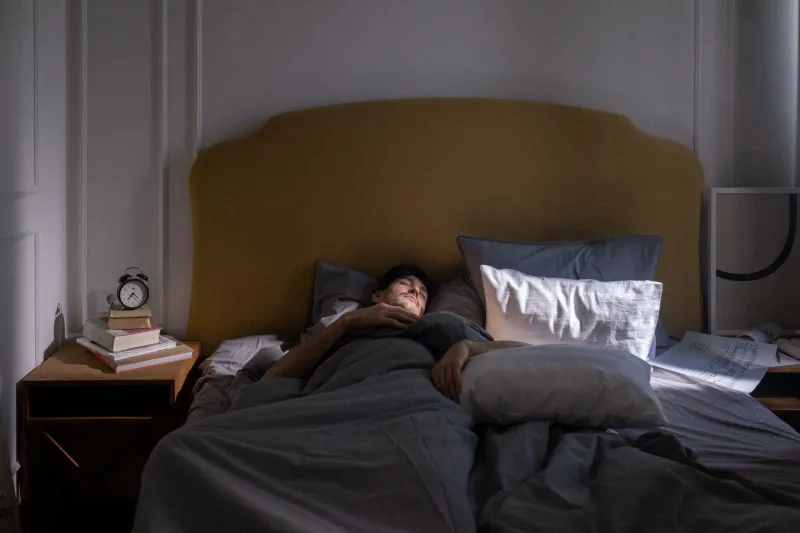
It started so well. A couple of hits before bed, maybe a low-dose edible, and you were out in minutes — real, deep sleep, the kind that felt almost medicinal. You woke up rested. You told your friends about it. You stopped dreading bedtime.
And then, slowly, it stopped working.
Now you're taking more than you used to, sleeping lighter than before, and waking up groggy in a way that feels less like rest and more like sedation. The strain that used to be your secret weapon sits on your nightstand doing almost nothing. You're not sure if the weed changed or if you did.
You did. And understanding why is the first step to actually fixing it.
What Cannabis Actually Does to Your Sleep Architecture
To understand why this happens, you need a quick primer on how sleep works. Your brain cycles through distinct stages every night — light sleep, deep slow-wave sleep, and REM sleep. REM is where most of your dreaming happens, and it plays a critical role in memory consolidation, emotional processing, and cognitive function. You need all of it.
THC, the primary psychoactive compound in cannabis, has a well-documented effect on sleep architecture: it suppresses REM sleep. In the short term, this can feel like a feature. Less REM means fewer dreams, including fewer anxiety-driven ones. You fall asleep faster and stay in the deeper, slower stages longer. For people dealing with PTSD, insomnia, or racing thoughts, that initial REM suppression can feel like relief.
But over time, your brain compensates. It starts fighting for the REM sleep it's been denied — a phenomenon researchers call REM rebound. And as tolerance to THC builds, the sedative effects that were helping you fall asleep begin to fade, while the disruption to your sleep architecture continues. You end up with the worst of both worlds: you're not sleeping as deeply, you're not staying asleep as long, and the thing you're using to fix the problem is quietly making it worse.
CBD, notably, doesn't carry the same REM-suppression profile. Some research suggests it may actually support sleep quality at certain doses without the same tolerance-building tradeoff — though the science is still early.
Why Your Favorite Strain Stopped Working
Tolerance is the obvious culprit, and it's real. Your endocannabinoid system downregulates its CB1 receptors in response to regular THC exposure. The same amount of the same product produces less effect over time. But tolerance isn't the only variable.
Product consistency is a genuine issue. As covered elsewhere on this site, cannabis labeling and testing are inconsistent enough that the same strain from the same brand can vary meaningfully between batches. The Indica-dominant flower that worked last month may have had a different terpene profile, a different actual THC concentration, or different growing conditions. Strains aren't standardized products — they're living plants.
Your body changes. Stress levels, hydration, diet, exercise habits, and hormonal fluctuations all affect how your endocannabinoid system responds to cannabis on any given night. The version of you that fell asleep easily in October is not the same biological system you're working with in February.
Timing matters more than most people realize. Cannabis consumed two hours before bed hits differently than cannabis consumed thirty minutes before. THC peaks and falls, and catching the right window — where you're relaxed but not fighting through a faded high — takes some calibration. Most people don't experiment with timing; they just take more.
The Warning Signs That Your Routine Has Flipped
There's a meaningful difference between using cannabis as a sleep tool and relying on it to function. Here are the signs that you've crossed from one into the other:
- You can't remember the last time you fell asleep without it
- You feel anxious or restless on nights you don't use it
- You're increasing your dose regularly just to get the same effect
- Your sleep feels shallow or unrestorative even when you use it
- You're waking up groggy most mornings regardless of how long you slept
- You've stopped trying other sleep strategies entirely
None of these are moral failures. They're just signals from your body that the current system isn't working.
Practical Strategies That Actually Help
Build in cannabis-free nights. Even two nights a week without cannabis can slow tolerance accumulation and help your sleep architecture recover some of its natural rhythm. The first few nights may be rough — REM rebound is real and can produce vivid, intense dreams — but it passes.
Experiment with lower doses. More is not better for sleep. Many people find that a much smaller amount — sometimes half or a quarter of their usual dose — produces better sleep outcomes than a full session. Overconsumption can produce the opposite of sedation, especially with high-THC products.
Shift your timing earlier. Try consuming 90 minutes to two hours before your target sleep time rather than right before bed. This lets the initial THC peak pass and allows the relaxing tail end of the experience to carry you into sleep.
Consider CBD-forward products for rotation nights. On nights when you want something but need a break from heavy THC, a higher CBD-to-THC ratio product may support relaxation without deepening your tolerance or disrupting your sleep architecture as aggressively.
Pair cannabis with actual sleep hygiene. This sounds boring, but it works. Consistent sleep schedules, a cool dark room, limited screen exposure before bed — these aren't alternatives to cannabis, they're amplifiers of it. Cannabis works better when it doesn't have to do all the heavy lifting.
The Bottom Line
Cannabis can genuinely support sleep for a lot of people. The problem isn't the plant — it's the assumption that any tool works the same way forever without maintenance. Your sleep routine needs the same kind of periodic recalibration you'd give anything else in your life that's stopped performing.
That strain that knocked you out last month isn't broken. Your relationship with it just needs some attention.